
The Evolving Landscape of university Unions: A Hub of Student Life and Advocacy
University unions, often referred to as student unions or student activity centers, stand as the vibrant heart of campus life. These multifaceted spaces transcend mere physical structures, serving as crucial hubs for social interaction, cultural exchange, and student advocacy. Over the decades, their roles have expanded significantly, adapting to the changing needs of diverse student populations and the evolving landscape of higher education. This comprehensive exploration delves into the historical roots, contemporary functions, and future trajectories of university unions, examining their critical role in fostering a holistic student experience.
The origins of university unions can be traced back to the 19th century, primarily in British universities. Initially, they emerged as spaces for debating societies and intellectual discourse, providing a platform for students to engage in critical thinking and develop their oratorical skills. As student populations grew and diversified, so did the functions of these unions. Early 20th-century American universities adopted this model, gradually expanding the scope to include recreational activities, dining facilities, and student services.
The Shift Towards Comprehensive Student Services
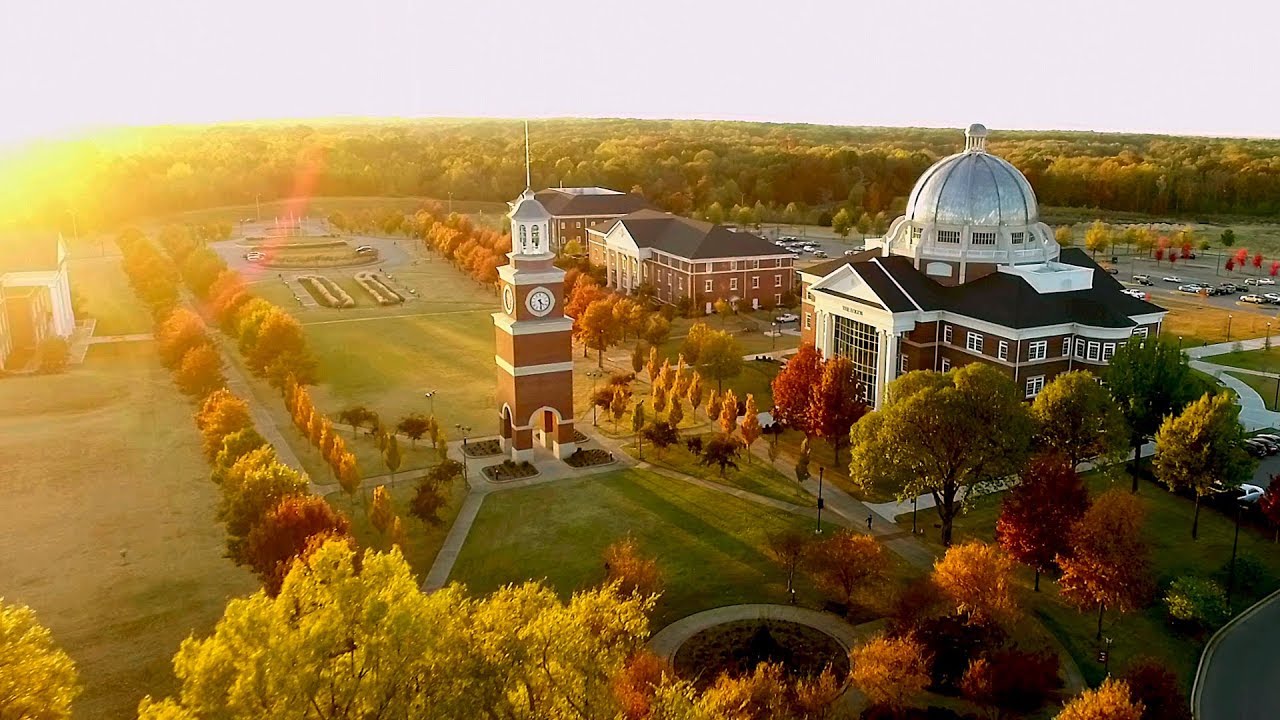
The post-World War II era witnessed a significant expansion of higher education, leading to a surge in student enrollment. This period marked a turning point for university unions, as they transformed into comprehensive centers offering a wide array of services. These services included:
Dining and Food Services: Cafeterias, restaurants, and snack bars became integral parts of the union, providing affordable and convenient dining options for students.
The Modern University Union: A Multifaceted Ecosystem
Today, university unions are more than just buildings; they are dynamic ecosystems that reflect the diverse needs and aspirations of the student body. They are designed to foster a sense of community, promote inclusivity, and empower students to engage in meaningful activities.
Building Community and Fostering Inclusivity
A primary function of the university union is to create a sense of belonging and community among students. This is achieved through:

Social Spaces: Comfortable lounges, cafes, and outdoor spaces encourage informal interactions and facilitate the formation of friendships.
Supporting Student Development and Leadership
University unions are instrumental in promoting student development and leadership by:
Providing Leadership Opportunities: Student government offices, event planning committees, and volunteer programs offer students opportunities to develop their leadership skills.
Advocacy and Representation: The Voice of the Student Body
University unions have evolved into vital centers for student advocacy and representation. They serve as a platform for students to voice their concerns, advocate for their rights, and engage in social and political activism.
Student Government and Representation

Student government offices are typically located within the union, providing a central hub for student representatives to address student concerns and advocate for policy changes.
Activism and Social Justice
University unions often serve as a focal point for student activism and social justice movements. They provide spaces for protests, rallies, and educational campaigns.
Addressing Student Needs
Unions play a critical role in addressing student needs related to mental health, food insecurity, and other challenges. Resource centers and support services are often located within the union.
The Future of University Unions: Adapting to Changing Needs
As higher education continues to evolve, university unions must adapt to meet the changing needs of students. This includes:
Technological Integration
Integrating technology into the union experience is crucial. This includes providing high-speed Wi-Fi, digital displays, and online event registration.
Sustainability and Environmental Responsibility
Modern unions are increasingly focusing on sustainability and environmental responsibility. This includes implementing energy-efficient designs, reducing waste, and promoting sustainable practices.
Flexible and Adaptable Spaces
Creating flexible and adaptable spaces that can be used for a variety of purposes is essential. This includes modular furniture, movable walls, and technology-enabled meeting rooms.
Focus on Well-being
Prioritizing student well-being is paramount. This includes providing spaces for relaxation, mindfulness, and mental health support.
Diversity and Inclusion Initiatives
Continuing to prioritize diversity and inclusion initiatives is essential. This includes creating spaces that are welcoming and accessible to all students, regardless of their background or identity.
The Enduring Significance of the University Union
In conclusion, university unions are indispensable components of the higher education landscape. They serve as vital hubs for social interaction, cultural exchange, and student advocacy, fostering a sense of community and empowering students to engage in meaningful activities. As universities continue to evolve, the role of the union will remain crucial in supporting the holistic development of students and creating a vibrant and inclusive campus environment. The adaptability and evolution of these spaces will continue to dictate how students experience their university years. The university union, in essence, is a living testament to the dynamic relationship between students and their institution, a relationship that shapes not only the present but also the future of higher education.
university union