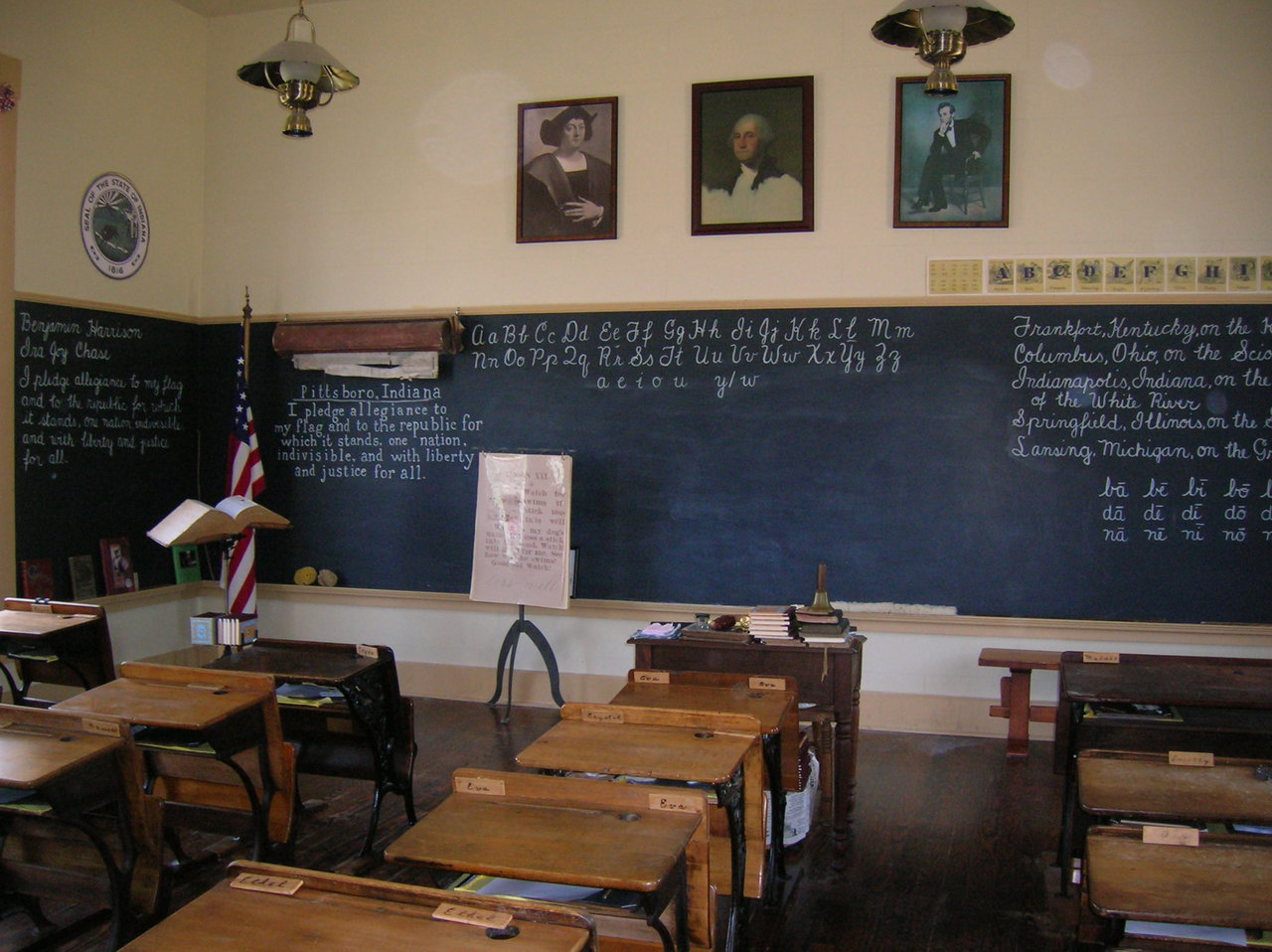
Conventional education, often referred to as traditional education, has been the dominant model in most parts of the world for centuries. It typically involves a structured system with distinct characteristics:
1. Teacher-Centered Approach:
Instructional Method: In this model, the teacher serves as the primary source of knowledge. They lecture, demonstrate, and guide the learning process, while students primarily absorb information.
Assessment: Assessments often focus on memorization and recall of facts, with exams and quizzes being the primary methods of evaluation.
2. Standardized Curriculum:
Rigid Structure: A standardized curriculum dictates the subjects, topics, and learning objectives for each grade level. This ensures uniformity across schools and regions.
Limited Flexibility: There is limited room for individual student needs or interests. The pace of learning is generally uniform, and students must keep up with the pre-determined schedule.
Differences in Conventional Learning and Free Learning Download
3. Emphasis on Academics:
Subject Focus: The primary focus is on academic subjects such as mathematics, science, language arts, and history.
Limited Focus on Practical Skills: While some schools offer vocational training, the emphasis generally remains on preparing students for higher education.
4. Physical Classroom Setting:
Traditional Structure: Learning primarily takes place in a physical classroom setting with rows of desks and a teacher at the front.
Limited Technology Integration: While technology is increasingly being incorporated, its use is often limited and may not be fully integrated into the learning process.
5. Grading System:
Standardized Evaluation: Students are typically graded based on their performance on assignments, tests, and exams.
Competitive Environment: The grading system can create a competitive environment among students, with grades often used to determine academic success.
Criticisms of Conventional Education:
Traditional vs. Conventional Education – Elmwood Baptist Academy
While conventional education has played a significant role in shaping societies and individuals, it has also faced numerous criticisms:
Lack of Individualization: The standardized curriculum and teacher-centered approach do not adequately cater to the diverse learning styles and needs of individual students.
Overemphasis on Memorization: The focus on memorization and standardized testing can stifle creativity, critical thinking, and problem-solving skills.
Limited Real-World Application: The emphasis on theoretical knowledge often fails to prepare students for the challenges and demands of the real world.
Lack of Focus on 21st-Century Skills: Conventional education may not adequately equip students with the essential skills needed to thrive in the 21st century, such as creativity, collaboration, communication, and critical thinking.
Inequitable Access: Access to quality education can be unequal, with disparities often observed based on socioeconomic status, race, and other factors.
Evolution of Education:
In recent decades, there has been a growing movement towards more progressive and innovative approaches to education. These include:
1. Progressive Education:
Focus on Student-Centered Learning: Progressive education emphasizes the active participation of students in the learning process. It encourages independent learning, critical thinking, and problem-solving.
Emphasis on Experiential Learning: Learning is often integrated with real-world experiences through activities such as field trips, projects, and community service.
Focus on Social and Emotional Development: Progressive education recognizes the importance of social and emotional development alongside academic achievement.
2. Montessori Education:
Child-Directed Learning: Montessori education emphasizes self-directed learning and allows children to explore their interests at their own pace.
Use of Specialized Materials: The Montessori method utilizes specially designed materials that encourage hands-on learning and sensory exploration.
Focus on Practical Life Skills: Children are encouraged to develop practical life skills such as self-care, independence, and social responsibility.
3. Waldorf Education:
Emphasis on Holistic Development: Waldorf education focuses on the holistic development of the child, encompassing physical, emotional, cognitive, and social aspects.
Focus on Imagination and Creativity: Waldorf education emphasizes the importance of imagination, creativity, and artistic expression.
Use of Storytelling and Nature: Storytelling and immersion in nature play a significant role in the Waldorf curriculum.
4. Unschooling:
Child-Led Learning: Unschooling is a radical approach that emphasizes child-led learning. Children are free to pursue their own interests and learn at their own pace.
Emphasis on Real-World Experiences: Learning primarily occurs through real-world experiences, such as travel, volunteering, and interacting with the community.
5. Homeschooling:
Parent-Led Education: Homeschooling involves parents or guardians taking on the responsibility of educating their children at home.
Flexible Curriculum: Homeschooling offers flexibility in terms of curriculum, pace, and learning style.
Focus on Individual Needs: Homeschooling allows for a personalized learning experience that caters to the individual needs and interests of each child.
The Future of Education:
The future of education is likely to involve a continued evolution towards more personalized, technology-driven, and learner-centered approaches. Some key trends include:
Personalized Learning: The use of technology to personalize the learning experience for each student, adapting to their individual needs and learning styles.
Blended Learning: Combining traditional classroom instruction with online learning and other digital resources.
Development of 21st-Century Skills: A greater emphasis on developing essential 21st-century skills such as critical thinking, creativity, collaboration, and communication.
Integration of Technology: The seamless integration of technology into the learning process, including the use of artificial intelligence, virtual reality, and augmented reality.
Focus on Global Citizenship: Preparing students to become responsible global citizens through education on global issues, intercultural understanding, and environmental sustainability.
Conclusion:
Conventional education has played a crucial role in shaping societies and individuals, but it also has limitations. The evolving landscape of education is characterized by a growing emphasis on student-centered learning, personalized experiences, and the development of essential 21st-century skills. As technology continues to advance and societal needs evolve, the education system will need to adapt and innovate to best serve the needs of all learners.