The Crimson Tapestry: A Deep Dive into Harvard university
Harvard University, an institution synonymous with academic excellence and global influence, stands as a beacon of higher learning. Its history, spanning nearly four centuries, is interwoven with the very fabric of American intellectual and cultural development. To truly understand Harvard is to delve into its multifaceted nature, exploring its origins, its academic prowess, its enduring traditions, and its complex relationship with the world it has helped shape.
Origins and Early Development:
The Puritan Seed: Founded in 1636 as New College, Harvard’s inception was rooted in the Puritan desire to educate clergy for the nascent Massachusetts Bay Colony. Named after its first benefactor, Reverend John Harvard, the college quickly established itself as a center of religious and classical learning.
Early Struggles and Growth: The initial years were marked by financial hardship and fluctuating leadership. However, the institution persevered, gradually expanding its curriculum beyond theology to include subjects like mathematics, philosophy, and rhetoric.
The Rise of a Liberal Arts Tradition: In the 18th century, Harvard began to embrace a broader liberal arts education, moving away from a strictly religious focus. This shift reflected the changing intellectual landscape of the Enlightenment and laid the foundation for its future prominence.
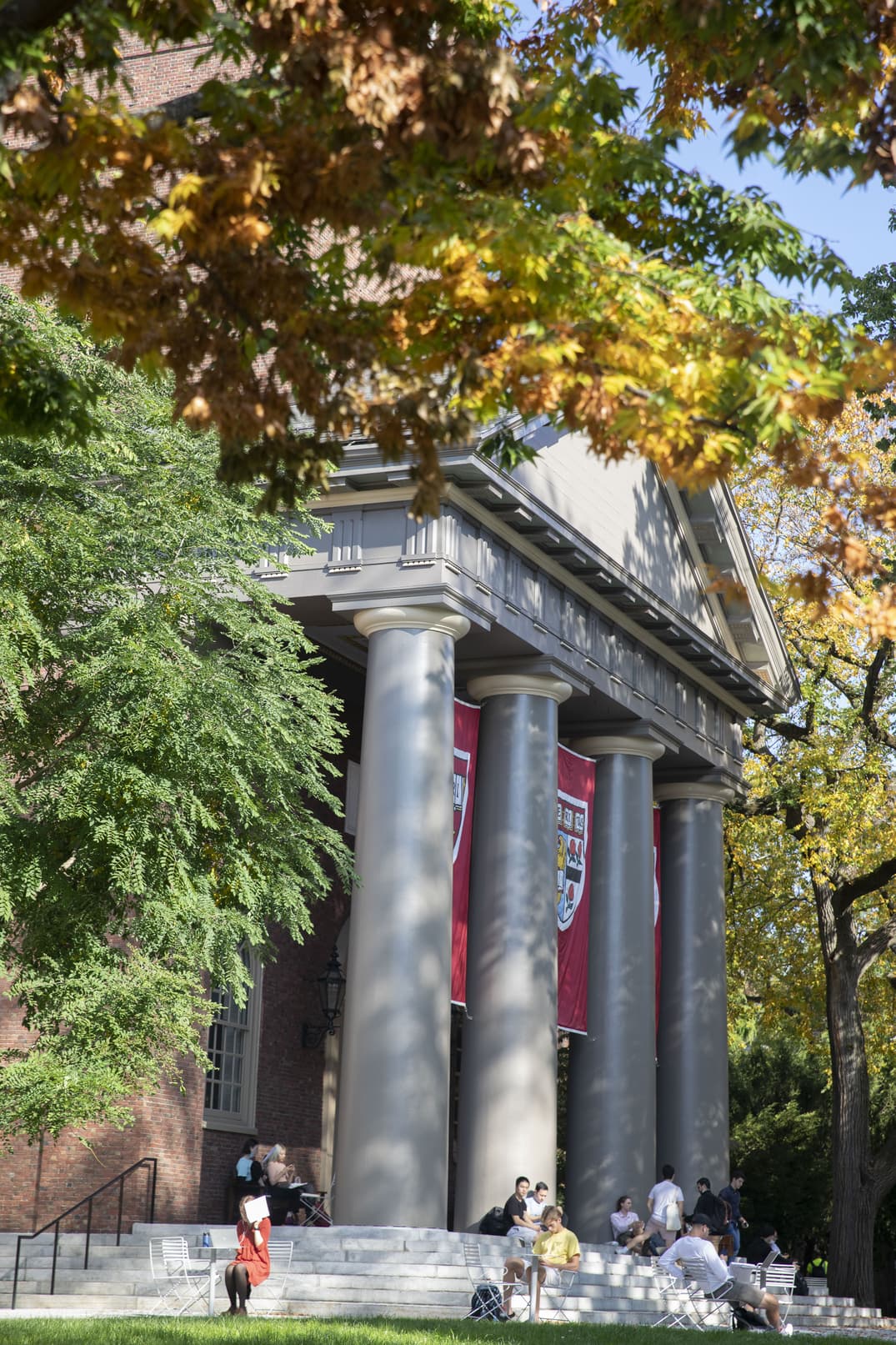
About – Harvard University
Academic Excellence and Innovation:
A Legacy of Disciplines: Harvard’s academic strength is evident in its diverse schools and departments, each a leader in its respective field. From the renowned Harvard Law School and Harvard Medical School to the influential Faculty of Arts and Sciences, the university fosters a culture of rigorous scholarship and intellectual exploration.
Pioneering Research: Harvard has consistently been at the forefront of groundbreaking research. Its faculty and researchers have made significant contributions to fields ranging from medicine and technology to social sciences and humanities. The university’s commitment to innovation is exemplified by its state-of-the-art laboratories and research centers.
The Socratic Method and Beyond: Harvard’s teaching philosophy emphasizes critical thinking and intellectual engagement. While the Socratic method remains a cornerstone of its pedagogical approach, the university also embraces innovative teaching techniques, including interdisciplinary collaboration and experiential learning.
The Harvard Library: A World of Knowledge: The Harvard Library, the largest academic library in the world, is a testament to the university’s commitment to scholarship. Its vast collection of books, manuscripts, and digital resources provides invaluable support for research and learning.
Traditions and Culture:
The Crimson Tide: The color crimson, synonymous with Harvard, permeates the university’s traditions and spirit. From the iconic Harvard Yard to the spirited athletic events, the crimson hue serves as a unifying symbol of the Harvard community.
The Houses System: The undergraduate residential system, centered around the historic houses, fosters a strong sense of community and intellectual engagement. Each house has its unique character and traditions, creating a diverse and vibrant living environment.
Commencement and Rituals: Harvard’s commencement ceremony is a grand spectacle, steeped in tradition and symbolism. The university’s numerous rituals, from the annual Harvard-Yale football game to the academic processions, reinforce a sense of shared history and identity.
The Hasty Pudding Theatricals: One of Harvard’s most beloved and eccentric traditions, the Hasty Pudding Theatricals, showcases the university’s vibrant artistic spirit. The annual productions, known for their cross-dressing and satirical humor, have entertained audiences for over two centuries.
The Porcellian Club and Final Clubs: Harvard is known for its exclusive final clubs. These organizations, often shrouded in secrecy, have played a complex role in the university’s social life, sparking debates about privilege and exclusivity.
The Harvard Lampoon: The Harvard Lampoon, a satirical magazine, has produced many of the world’s most famous comedians and writers. Its irreverent humor and biting wit have become a hallmark of the Harvard experience.
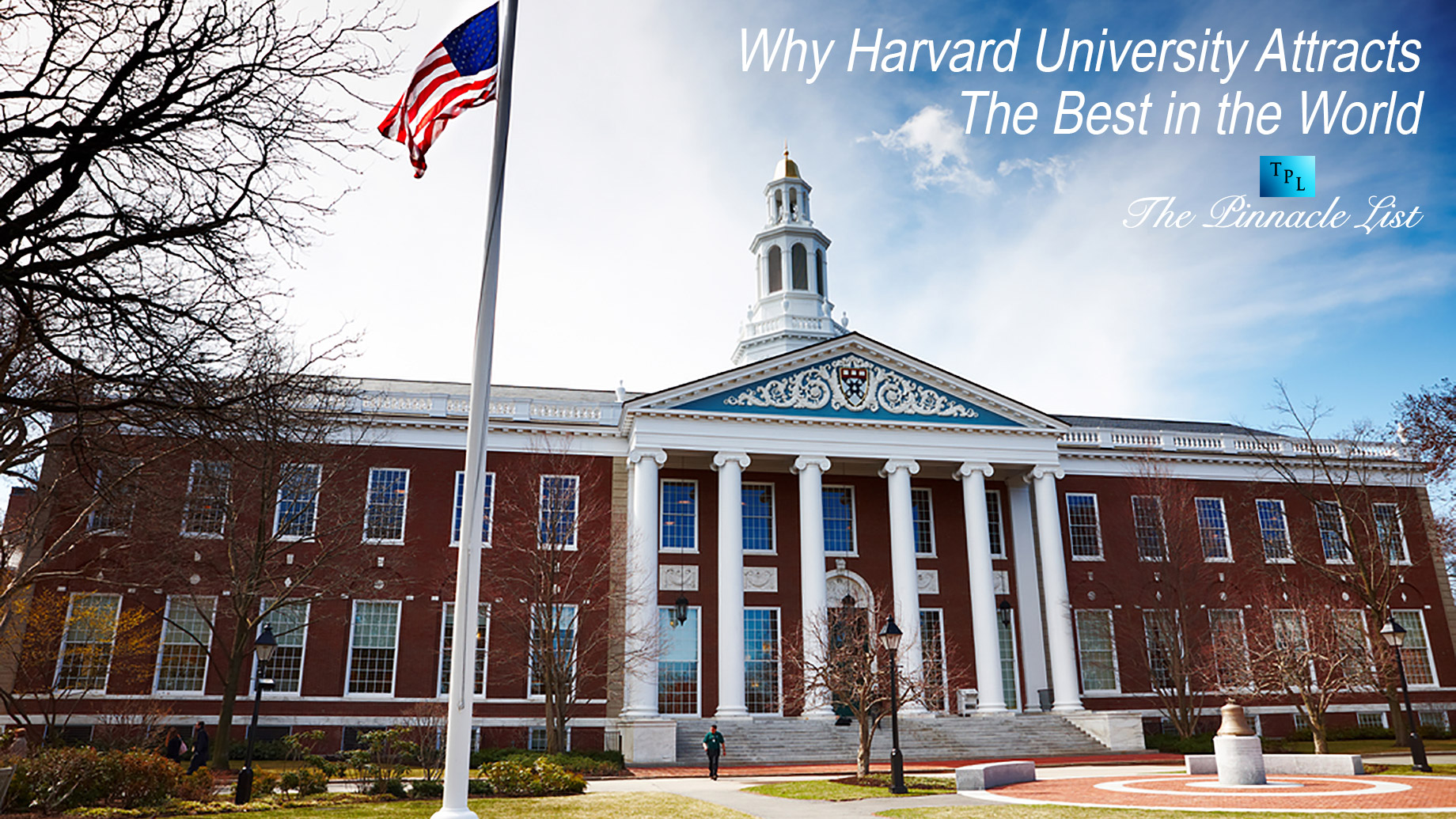
Why Harvard University Attracts The Best In The World – The
Global Influence and Impact:
Leaders and Innovators: Harvard has produced an impressive roster of alumni who have made significant contributions to society. From presidents and Nobel laureates to business leaders and artists, Harvard graduates have shaped the world in countless ways.
International Reach: Harvard’s influence extends far beyond the borders of the United States. The university attracts students and scholars from around the globe, fostering a diverse and international community.
Public Service and Engagement: Harvard has a long tradition of public service and engagement. Its faculty and students are actively involved in addressing pressing social and global challenges.
The Harvard Name and Brand: The Harvard name carries immense prestige and recognition worldwide. This brand, built on centuries of academic excellence and achievement, has become a powerful symbol of intellectual achievement.
Challenges and Controversies:
Accessibility and Affordability: Harvard, like many elite institutions, faces challenges related to accessibility and affordability. The university’s high tuition costs and selective admissions process have raised concerns about equity and diversity.
Diversity and Inclusion: While Harvard has made strides in promoting diversity and inclusion, it continues to grapple with issues related to race, ethnicity, and socioeconomic background.
The Role of Elitism: Harvard’s reputation as an elite institution has drawn criticism from those who view it as a symbol of privilege and exclusivity.
Academic Pressure and Mental Health: The demanding academic environment at Harvard can take a toll on students’ mental health. The university has been working to address these concerns and provide support for its students.
Historical Controversies: Harvard has a complex and sometimes troubling history, including its ties to slavery and its past discriminatory practices. The university has acknowledged these historical injustices and is working to address their legacy.
The history of Harvard University
The Future of Harvard:
Embracing Innovation: As the world continues to evolve, Harvard is committed to embracing innovation and adapting to new challenges. The university is investing in cutting-edge research and developing new programs that address the needs of a rapidly changing world.
Promoting Interdisciplinary Collaboration: Harvard recognizes the importance of interdisciplinary collaboration in addressing complex global challenges. The university is fostering partnerships across its various schools and departments to promote innovative research and teaching.
Expanding Access and Affordability: Harvard is committed to making its education more accessible and affordable. The university is expanding its financial aid programs and exploring new ways to reach students from diverse backgrounds.
Strengthening Global Engagement: Harvard is strengthening its global engagement by fostering partnerships with universities and organizations around the world. The university is also expanding its international programs and initiatives.
Addressing Societal Challenges: Harvard is committed to using its resources and expertise to address pressing societal challenges, such as climate change, poverty, and inequality.
Harvard University, a venerable institution with a rich history and a global reputation, continues to shape the world through its commitment to academic excellence, innovation, and public service. While facing challenges and controversies, Harvard remains a powerful force in higher education, striving to uphold its mission of educating leaders and advancing knowledge for the betterment of society. The Crimson tapestry, woven with threads of tradition and progress, continues to evolve, reflecting the ever-changing landscape of the world it inhabits.