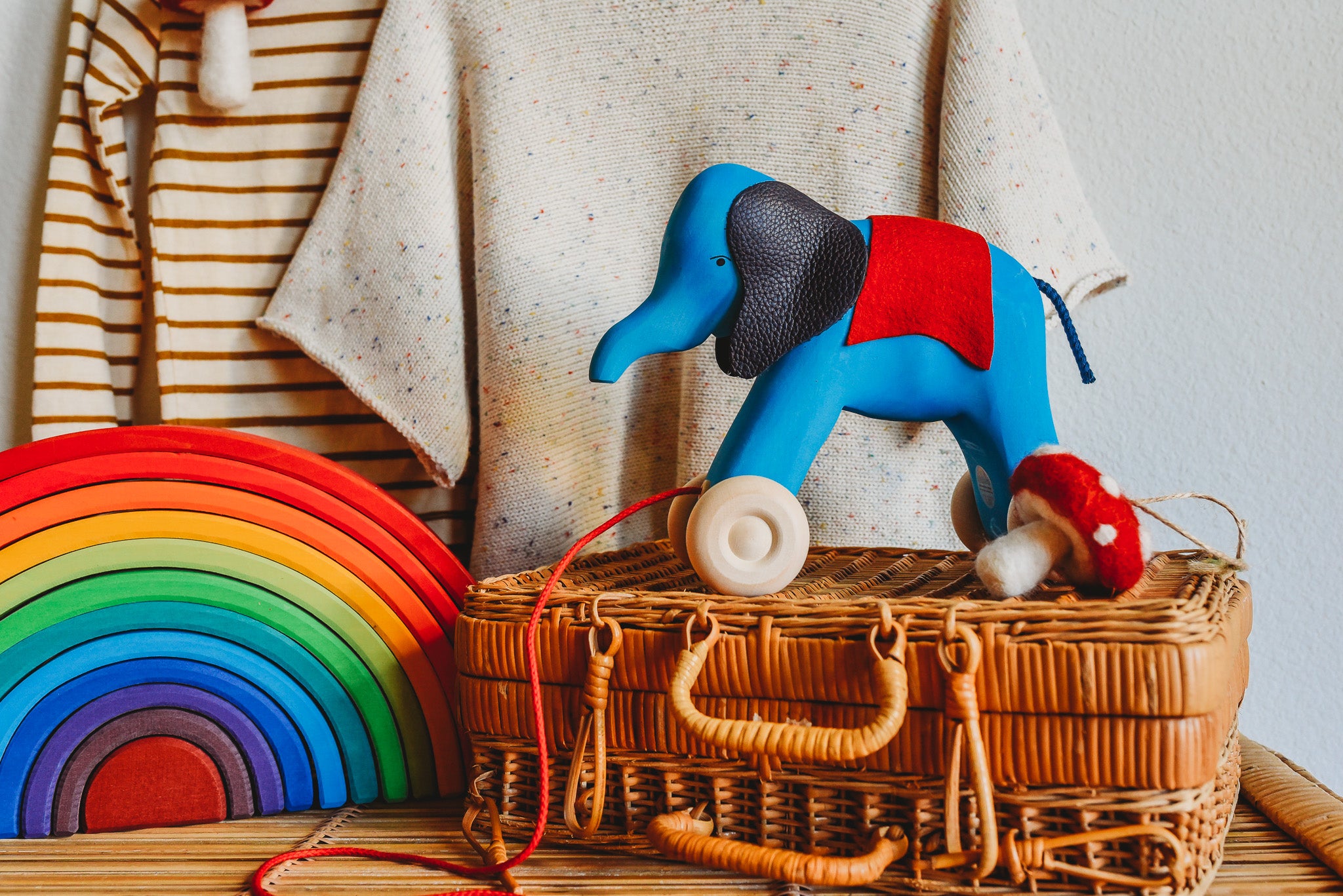
Waldorf education Toys: Fostering Imagination and Creativity
Waldorf education, an alternative educational philosophy, emphasizes holistic child development. This approach places a strong focus on imagination, creativity, and social-emotional well-being.
Key Principles of Waldorf Education
Emphasis on Imagination: Waldorf education recognizes the power of imagination in child development. Toys are designed to stimulate imaginative play and storytelling.
Natural Materials: Toys are typically made from natural materials like wood, wool, cotton, and silk, promoting sensory exploration and a connection to nature.
Simple and Open-Ended: Waldorf toys often have simple designs, allowing children to use them in a variety of ways and develop their own unique play scenarios.
Focus on Process Over Product: The emphasis is on the creative process and the joy of play, rather than on achieving a specific outcome.
Age-Appropriate Development: Toys are carefully chosen to align with the developmental needs and interests of children at different ages.
What are Waldorf Toys?
Types of Waldorf Education Toys
Here are some common types of Waldorf education toys:
1. Wooden Toys
Building Blocks: Classic wooden blocks are a cornerstone of Waldorf play. They encourage creativity, spatial reasoning, and fine motor skills. Children can build towers, castles, roads, and countless other structures.
Wooden Dolls: Waldorf dolls often have simple features, allowing children to project their own personalities and emotions onto them.
Wooden Puzzles: Puzzles with simple, natural shapes help develop hand-eye coordination, problem-solving skills, and spatial awareness.
Fantastic Waldorf Toys To Unleash Your Child’s Imagination
2. Natural Materials Toys
Play Silks: These versatile pieces of fabric can be used for imaginative play, storytelling, dancing, and sensory exploration.
Wool Balls: Soft wool balls can be used for sensory play, counting games, and imaginative storytelling.
Wooden Spools: Simple wooden spools can be used for stacking, sorting, and creating imaginative play scenarios.
3. Dolls and Stuffed Animals
Waldorf Dolls: As mentioned earlier, these dolls often have simple features and are made from natural materials.
Stuffed Animals: Waldorf-inspired stuffed animals are often made with natural fibers and have simple, calming designs.
4. Creative Play Materials
Play Dough: Waldorf play dough is often made with natural ingredients and dyes, encouraging sensory exploration and creativity.
Finger Paints: Natural finger paints provide a safe and engaging way for children to explore color and express themselves.
Natural Art Supplies: Materials like beeswax crayons, wooden sticks, and natural dyes encourage creativity and a connection to nature.
Benefits of Waldorf Education Toys
Enhanced Imagination: Waldorf toys encourage children to use their imaginations to create stories, solve problems, and explore the world around them.
Improved Creativity: Open-ended play with Waldorf toys fosters creativity and allows children to express themselves in unique ways.
Developed Fine Motor Skills: Many Waldorf toys, such as wooden blocks and puzzles, help children develop fine motor skills, hand-eye coordination, and dexterity.
Enhanced Social-Emotional Development: Play with Waldorf toys can help children develop social skills, empathy, and emotional intelligence.
Stronger Connection to Nature: The use of natural materials in Waldorf toys helps children connect with the natural world and appreciate its beauty.
Incorporating Waldorf Principles into Your Home
Create a Play Space: Designate a special area in your home for play, where children can freely explore and create.
Limit Screen Time: Encourage imaginative play by limiting screen time and providing engaging alternatives.
Focus on the Process: Encourage children to enjoy the process of play, rather than focusing on the end result.
Provide Open-Ended Materials: Offer a variety of open-ended materials, such as blocks, natural objects, and art supplies.
Join in the Play: Spend time playing with your children and engaging in their imaginative worlds.
Conclusion
Waldorf education toys offer a valuable approach to child development, emphasizing imagination, creativity, and a connection to nature. By incorporating these principles into your child’s play experiences, you can foster a love of learning and a lifelong appreciation for the power of imagination.
Disclaimer: This article provides general information about Waldorf education toys. It is not intended as a substitute for professional advice. Always consult with a qualified child development expert for personalized guidance.