
A Deep Dive into Art education Textbooks in English
Art education textbooks serve as crucial guides for teachers and students, shaping the learning experiences within art classrooms across the globe. These texts encompass a diverse range of topics, from foundational art concepts and historical movements to pedagogical approaches and contemporary art practices. This in-depth exploration delves into the key features, historical evolution, and contemporary trends within the realm of English-language art education textbooks.
The Evolution of Art Education Textbooks
The history of art education textbooks is intertwined with the evolving philosophies of art education itself. Early texts often focused on technical skills and craft-based instruction, emphasizing the development of manual dexterity and the mastery of traditional artistic techniques. These texts often prioritized representational accuracy and adherence to established canons of art.

A significant shift occurred in the mid-20th century, with the rise of progressive education movements. This era saw a surge in textbooks that emphasized creativity, self-expression, and the exploration of personal meaning in art. Artists like Pablo Picasso and Henri Matisse, with their innovative approaches to form and color, profoundly influenced these texts, which encouraged students to experiment, break boundaries, and embrace abstract and expressive forms.
The latter half of the 20th century witnessed a growing emphasis on art as a means of critical thinking and cultural understanding. Textbooks began to incorporate a broader range of artistic traditions, including those of indigenous cultures, non-Western societies, and contemporary art movements. They also began to address social and political issues, encouraging students to use art as a tool for social commentary and change.
Key Features of Contemporary Art Education Textbooks
Contemporary art education textbooks reflect the diverse and evolving nature of the field. Here are some of their key features:
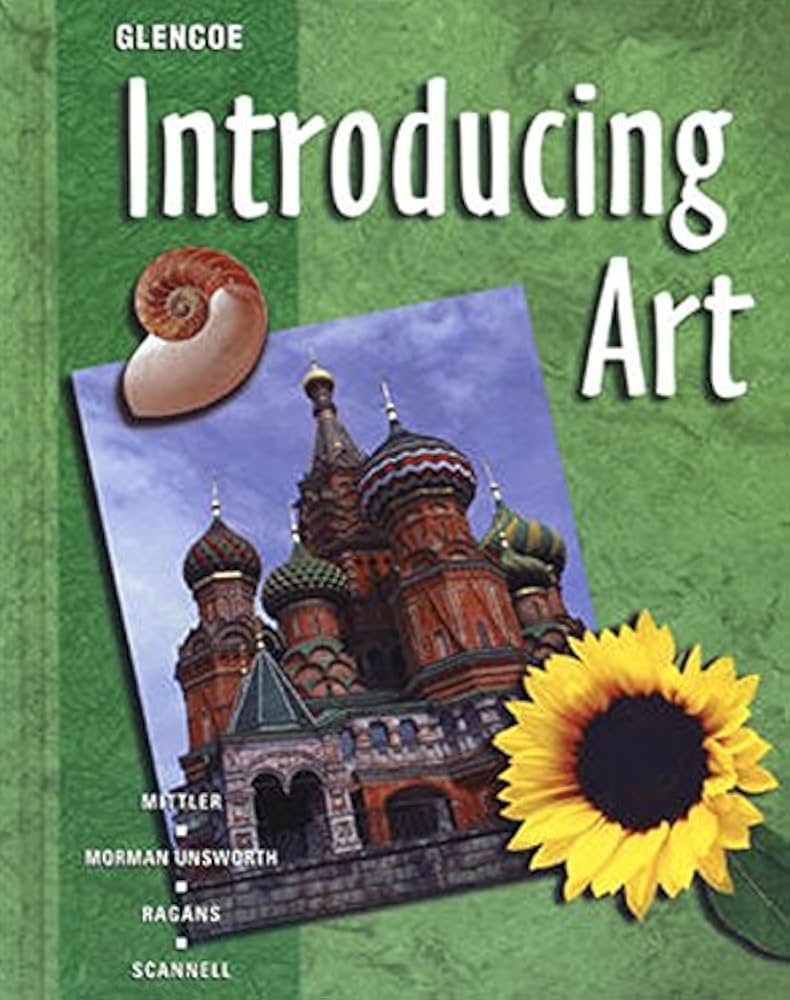
Modern textbooks prioritize the development of creative thinking skills, encouraging students to approach art-making as a process of inquiry and problem-solving. They emphasize the importance of experimentation, risk-taking, and the generation of original ideas. Critical thinking skills are fostered through activities that encourage students to analyze, interpret, and evaluate artworks, both their own and those of others.
Contemporary textbooks strive to represent a wide range of artistic styles, cultures, and perspectives. They include artworks by artists from diverse backgrounds, including women, people of color, and artists from underrepresented communities. This diversity helps students develop a broader understanding of the global art landscape and appreciate the richness and diversity of human expression.
Many contemporary textbooks incorporate digital resources and technologies. This may include online learning platforms, interactive exercises, virtual museum tours, and access to digital art-making tools. These technologies can enhance student engagement, provide access to a wider range of resources, and support personalized learning experiences.
Textbooks increasingly emphasize the communicative power of art. They encourage students to use art to express their ideas, emotions, and experiences, and to engage in meaningful dialogue with others through their artwork. This may involve creating art that addresses social issues, tells stories, or conveys personal narratives.
Contemporary art education recognizes the interconnectedness of art with other disciplines. Textbooks often explore connections between art and history, literature, science, mathematics, and other subjects. These interdisciplinary connections help students develop a more holistic understanding of the world and deepen their appreciation for the role of art in human culture.
Common Themes and Approaches
Art education textbooks often explore various themes and approaches, including:
Many textbooks provide a historical overview of major art movements, such as Impressionism, Cubism, Surrealism, and Abstract Expressionism. They introduce students to key artists, their styles, and the historical and cultural contexts in which their work emerged.
These foundational concepts, such as line, shape, color, texture, space, and form, are central to many art education textbooks. Students learn how to apply these elements and principles to create effective and meaningful artworks.
Textbooks often guide students through various art-making processes, such as drawing, painting, sculpting, printmaking, and mixed media. They provide step-by-step instructions, demonstrate different techniques, and encourage experimentation with materials and processes.
Art education textbooks often introduce students to the principles of art criticism and aesthetics. They teach students how to analyze and interpret artworks, develop critical judgments, and articulate their own aesthetic preferences.
Many textbooks explore the historical and cultural contexts of art, examining how art reflects social, political, and cultural values. They may also investigate the role of art in different societies and its impact on human civilization.
The Role of Art Education Textbooks in Teacher Preparation
Art education textbooks play a crucial role in the preparation of future art teachers. They provide aspiring educators with:
A foundation in art history and theory: Textbooks offer a comprehensive overview of art history, art movements, and artistic concepts, equipping teachers with the knowledge they need to effectively teach their students.
Challenges and Considerations
Despite their many benefits, art education textbooks also face certain challenges:
Standardization and limitations: The use of standardized textbooks can sometimes limit creativity and innovation in the classroom. They may not always adequately address the diverse needs and interests of all students.
The Future of Art Education Textbooks
The future of art education textbooks will likely involve a continued integration of technology, a greater emphasis on personalized learning, and a more nuanced approach to cultural diversity and inclusivity.
The increasing use of digital technologies will likely lead to the development of more interactive and engaging online textbooks and learning platforms. These platforms may incorporate multimedia elements, such as videos, animations, and virtual reality experiences, to enhance student learning.
The future of art education textbooks may involve more personalized learning experiences, tailored to the individual needs and interests of each student. This may involve the use of adaptive learning technologies, which can adjust the learning path based on student progress and performance.
There will be a growing emphasis on ensuring that art education textbooks reflect the diversity of human experience and address issues of equity and inclusion. This may involve incorporating more diverse voices and perspectives, as well as addressing issues of social justice and cultural sensitivity.
The trend towards interdisciplinary learning will likely continue, with art education textbooks exploring connections between art and other subjects, such as science, technology, engineering, and mathematics (STEM).
In conclusion, art education textbooks play a vital role in shaping the learning experiences of students and preparing future generations of art educators. While challenges remain, the continued evolution of these texts, driven by advancements in technology, pedagogical research, and a commitment to diversity and inclusivity, will ensure that they continue to serve as valuable resources for teachers and students alike.
art education textbooks