Art education is a rewarding field that combines a passion for creativity with the desire to nurture young minds. It offers a diverse range of career paths, from traditional classroom teaching to innovative roles in community arts and beyond. This article will explore the various career options available to those with an art education background, providing insights into their unique demands and potential rewards.
1. K-12 Art Teacher
This is perhaps the most common career path for art education graduates. K-12 art teachers are responsible for designing and implementing engaging art curricula for students in elementary, middle, and high schools.
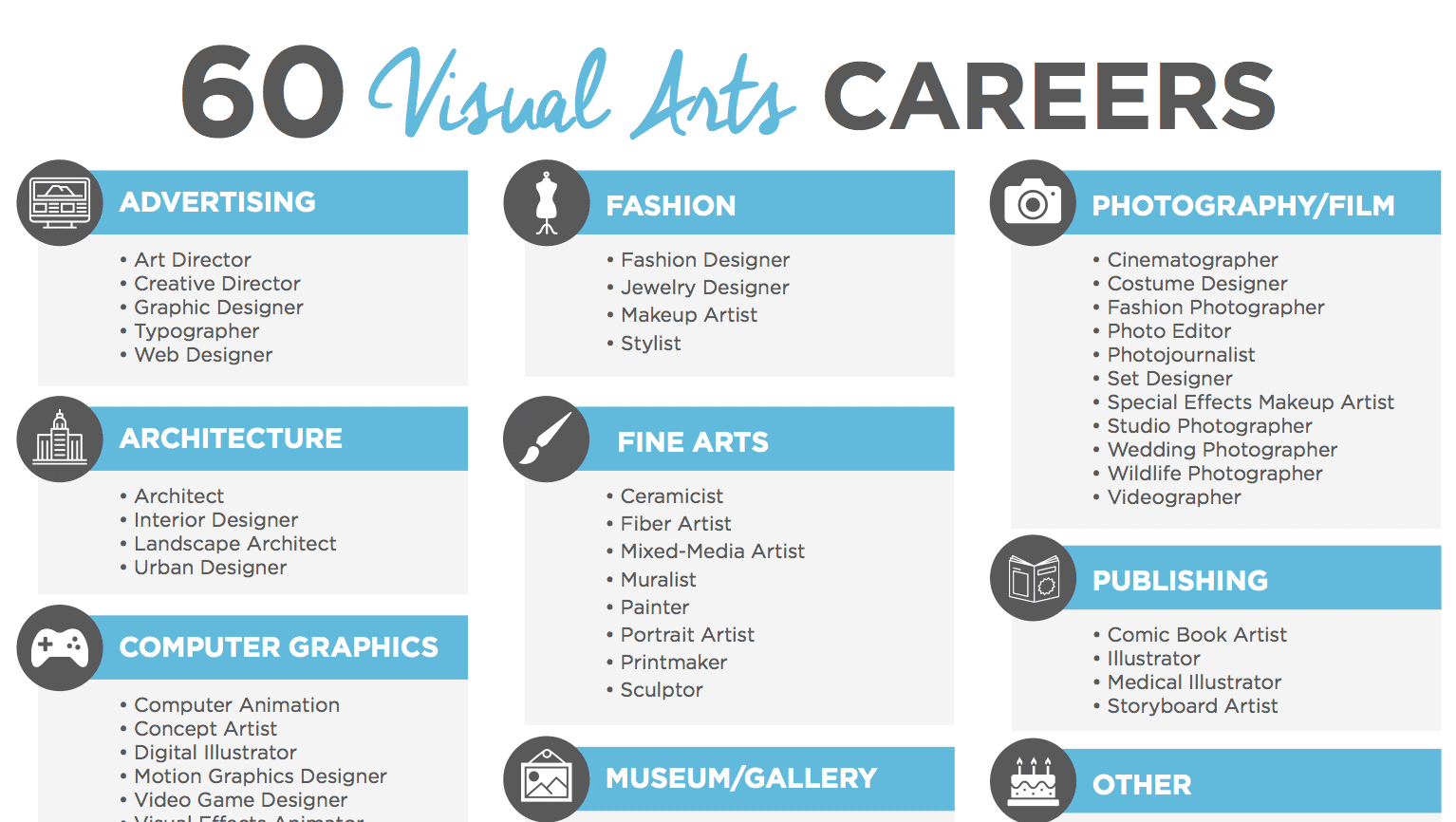
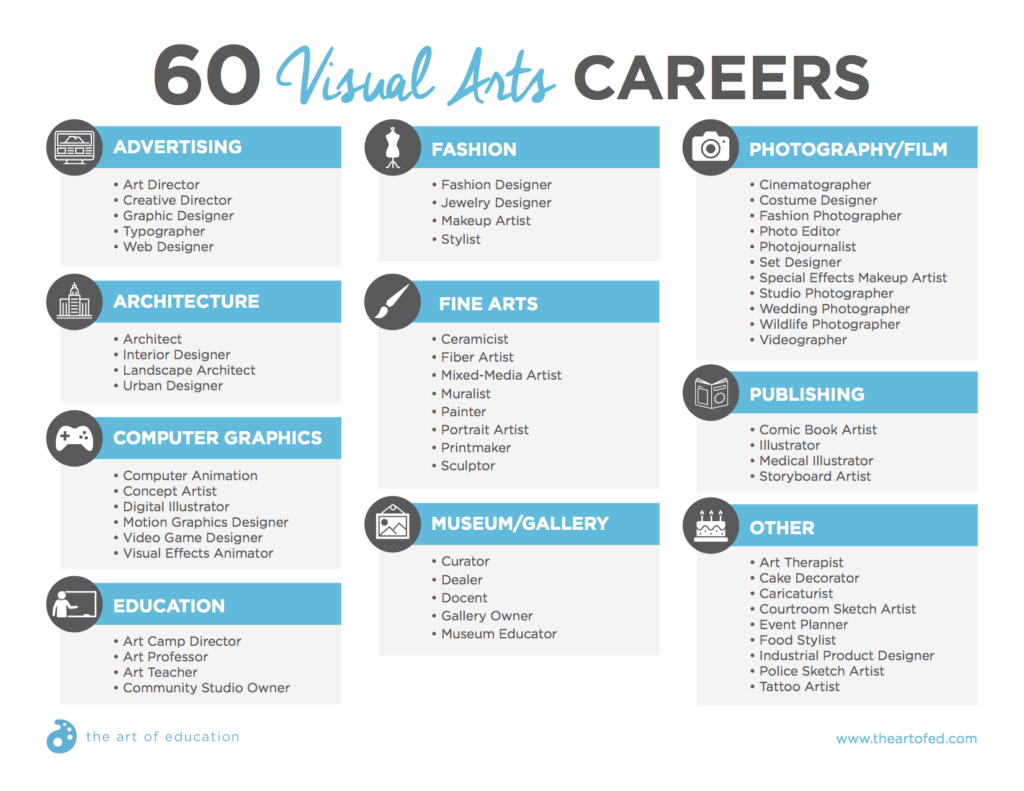
Visual Arts Careers to Discuss With Your Students – The Art of
Responsibilities:
Developing and delivering age-appropriate art lessons.
Guiding students in various artistic techniques, including drawing, painting, sculpture, ceramics, printmaking, and digital art.
Fostering creativity, critical thinking, and problem-solving skills.
Creating a supportive and inclusive learning environment.
Assessing student progress and providing constructive feedback.
Collaborating with other teachers to integrate art into other subject areas.
Qualifications:
Bachelor’s degree in Art Education or a related field.
State-issued teaching certification.
Strong artistic skills and a deep understanding of art history and theory.
Excellent communication, interpersonal, and classroom management skills.
Passion for working with children and adolescents.
2. Postsecondary Art Instructor
For those with advanced degrees and a strong research or professional art practice, teaching at the college or university level can be a fulfilling career.
Visual Arts Careers to Discuss With Your Students – The Art of
Responsibilities:
Designing and teaching undergraduate and graduate-level art courses.
Advising students on their academic and career goals.
Conducting research and publishing scholarly work.
Serving on departmental committees and participating in university governance.
Maintaining an active professional art practice (for some positions).
Qualifications:
Master’s degree or Ph.D. in Art Education, Studio Art, or a related field.
Experience teaching at the postsecondary level (preferred).
Strong research and publication record (for tenure-track positions).
Proven ability to teach effectively at the college level.
Commitment to professional development and scholarly activity.
3. Museum Educator
Museum educators play a vital role in making art accessible and engaging for diverse audiences. They develop and deliver educational programs, tours, and workshops that bring art to life for visitors of all ages.
Responsibilities:
Designing and implementing interactive museum programs for children, families, and adults.
Leading tours and providing educational interpretation of museum collections.
Developing educational materials, such as brochures, worksheets, and online resources.
Collaborating with curators and other museum staff to create engaging exhibitions.
Conducting outreach programs in schools and community centers.
Qualifications:
Bachelor’s degree in Art Education, Art History, Museum Studies, or a related field.
Strong knowledge of art history and museum practices.
Excellent communication, presentation, and interpersonal skills.
Ability to work effectively with diverse audiences.
Experience working in a museum setting (preferred).
4. Art Therapist
Art therapy is a unique profession that utilizes the creative process to address emotional, social, and mental health concerns. Art therapists work with individuals of all ages, including children, adolescents, adults, and the elderly.
Responsibilities:
Using art media and creative processes to help individuals explore and express their emotions.
Assessing and diagnosing mental health conditions.
Developing and implementing individualized treatment plans.
Providing support and guidance to clients as they engage in the creative process.
Collaborating with other healthcare professionals, such as psychologists and social workers.
Qualifications:
Master’s degree in Art Therapy from an accredited program.
State licensure or certification as an art therapist.
Strong clinical skills and a deep understanding of human development and mental health.
Excellent communication, interpersonal, and therapeutic skills.
Ability to create a safe and supportive therapeutic environment.
5. Community Arts Educator
Community arts educators bring art to the public through a variety of settings, including community centers, after-school programs, and non-profit organizations.
Responsibilities:
Teaching art classes and workshops to diverse populations, including children, adults, and seniors.
Developing and implementing community-based art projects.
Organizing and coordinating art events and festivals.
Building relationships with community members and organizations.
Advocating for the arts in the community.
Qualifications:
Bachelor’s degree in Art Education or a related field.
Experience working with diverse populations.
Strong organizational, interpersonal, and communication skills.
Ability to work independently and as part of a team.
Passion for community engagement and social justice.
6. Art Administrator
Art administrators play a crucial role in the management and operation of art organizations, such as museums, galleries, and arts councils.
Responsibilities:
Developing and managing budgets.
Fundraising and grant writing.
Overseeing marketing and public relations efforts.
Managing personnel and operations.
Planning and coordinating exhibitions and events.
Advocating for the arts on a local, state, and national level.
Qualifications:
Bachelor’s degree in Art Administration, Arts Management, or a related field.
Strong business and financial acumen.
Excellent communication, interpersonal, and organizational skills.
Experience in the arts or non-profit sector (preferred).
Passion for supporting and promoting the arts.
7. Art Critic and Writer
Art critics and writers play an important role in shaping public discourse about art. They analyze and interpret artworks, write reviews and essays, and contribute to the development of art criticism as a field.
Responsibilities:
Attending art exhibitions and events.
Researching and writing art reviews, essays, and articles.
Contributing to art publications, blogs, and websites.
Giving public talks and lectures on art.
Developing and maintaining a professional portfolio of writing.
Qualifications:
Strong writing and research skills.
Deep knowledge of art history and contemporary art.
Excellent communication and critical thinking skills.
Ability to write clearly and concisely for a general audience.
Passion for art and a commitment to engaging with the art world.