
The Crucible of Becoming: Navigating the Uncharted Waters of university
University. The very word conjures a kaleidoscope of images: towering libraries, late-night study sessions fueled by caffeine and desperation, the exhilarating rush of intellectual discovery, and the sometimes-crushing weight of newfound independence. It’s a liminal space, a bridge between the structured world of adolescence and the vast, often daunting, landscape of adulthood. For many, these years represent a profound period of transformation, a crucible where identities are forged, passions ignited, and the foundations of future lives laid.
This journey, however, is rarely a smooth, linear progression. It’s a complex tapestry woven with threads of triumph and tribulation, exhilaration and anxiety, camaraderie and isolation. To understand the true essence of the university experience, we must delve into its multifaceted dimensions, exploring the academic, social, and personal challenges and opportunities that define this pivotal chapter.
The Pursuit of Knowledge: More Than Just Grades
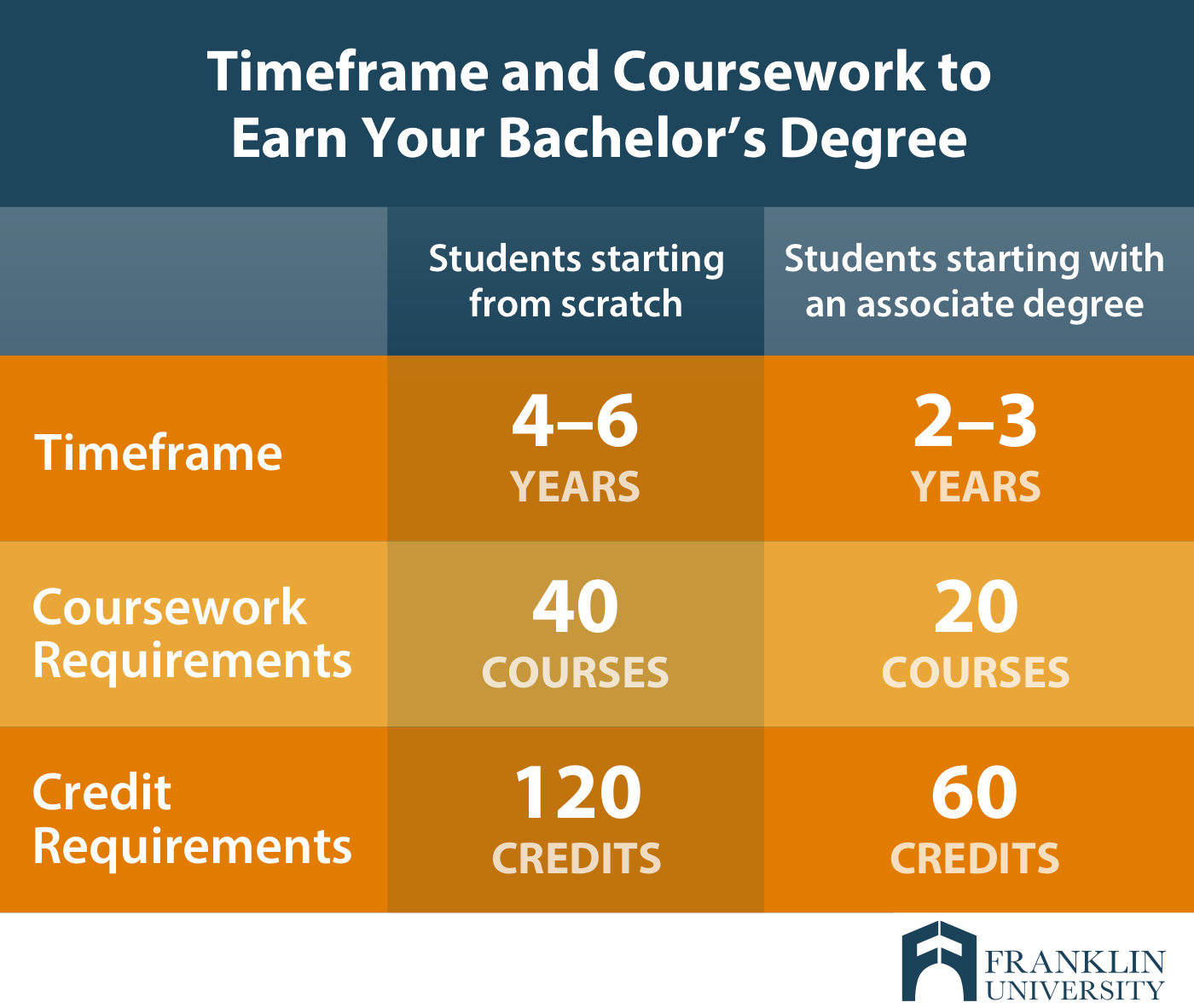
University is, first and foremost, an institution of learning. It’s a place where students are exposed to a vast array of disciplines, encouraged to question established paradigms, and challenged to develop critical thinking skills. However, the true value of education extends far beyond the pursuit of grades. It lies in the cultivation of intellectual curiosity, the ability to analyze complex problems, and the development of a lifelong love of learning.
The transition from secondary education to university can be jarring. The sheer volume of material, the expectation of independent study, and the shift from rote memorization to critical analysis can be overwhelming. Students quickly realize that success requires more than just attending lectures and completing assignments. It demands active engagement, intellectual curiosity, and a willingness to embrace the discomfort of intellectual growth.
The Pressure Cooker: Navigating Academic Stress
The pressure to succeed academically can be immense. The fear of failure, the competition for limited opportunities, and the constant evaluation of performance can create a climate of anxiety and stress. Students often struggle to balance academic demands with other aspects of their lives, leading to burnout and mental health challenges.
Universities are increasingly recognizing the importance of providing support services to help students manage academic stress. Counseling services, academic advisors, and peer support groups play a crucial role in helping students navigate these challenges and develop healthy coping mechanisms.
The Spark of Discovery: Igniting Intellectual Passions

Amidst the pressure and challenges, university also offers unparalleled opportunities for intellectual exploration. Students have the chance to delve into subjects that ignite their passions, to engage in cutting-edge research, and to learn from renowned experts in their fields.
The thrill of discovering a new idea, the satisfaction of solving a complex problem, and the sense of accomplishment that comes from mastering a challenging subject can be profoundly rewarding. These experiences can shape students’ intellectual trajectories and inspire them to pursue careers that align with their passions.
The Melting Pot: Embracing Diversity and Difference
University is a melting pot of cultures, backgrounds, and perspectives. Students from all walks of life come together to learn, grow, and interact. This diversity enriches the university experience, exposing students to new ideas, challenging their preconceived notions, and broadening their understanding of the world.

The ability to navigate diverse social environments is a crucial skill for success in the 21st century. University provides a unique opportunity for students to develop this skill, fostering empathy, tolerance, and respect for others.
The Social Whirlwind: Navigating Friendships and Relationships
University is a time of intense social activity. Students form close friendships, develop romantic relationships, and build networks that will last a lifetime. However, navigating the complexities of social interactions can be challenging, especially for those who are away from home for the first time.
The pressure to fit in, the fear of rejection, and the challenges of managing relationships can create anxiety and stress. However, the rewards of building strong social connections are immeasurable. Friendships provide emotional support, a sense of belonging, and opportunities for personal growth.
The Extracurricular Realm: Finding Your Niche
Beyond the classroom, university offers a plethora of extracurricular activities, from sports and clubs to volunteer work and student government. These activities provide opportunities for students to pursue their interests, develop leadership skills, and build a sense of community.
Participating in extracurricular activities can also help students manage stress, improve their well-being, and enhance their employability. It’s a chance to explore passions outside of academics and find a community of like-minded individuals.
The Leap of Faith: Embracing Independence and Responsibility
For many students, university marks the first time they live away from home. This newfound independence brings both freedom and responsibility. Students must learn to manage their time, finances, and personal lives, often for the first time.
This transition can be challenging, but it’s also a crucial step in the journey to adulthood. Students develop self-reliance, problem-solving skills, and the ability to make independent decisions.
The Inner Compass: Discovering Identity and Values
University is a time of self-discovery. Students are exposed to new ideas, challenged to question their beliefs, and encouraged to explore their identities. This process can be both exhilarating and unsettling, as students grapple with questions of purpose, values, and identity.
The journey of self-discovery is a lifelong process, but university provides a unique opportunity for students to lay the foundations for a fulfilling and meaningful life.
The Emotional Rollercoaster: Managing Mental Health and Well-being
The university experience can be emotionally challenging. The pressure to succeed, the challenges of social adjustment, and the uncertainties of the future can take a toll on mental health.
Universities are increasingly recognizing the importance of promoting mental health and well-being. Counseling services, mental health awareness campaigns, and peer support groups play a crucial role in helping students navigate these challenges.
University is more than just a stepping stone to a career. It’s a transformative experience that shapes individuals, communities, and society as a whole. The skills, knowledge, and experiences gained during these years lay the foundation for a lifetime of learning, growth, and contribution.
The challenges and opportunities of university prepare students for the complexities of the modern world, equipping them with the critical thinking skills, adaptability, and resilience needed to thrive in a rapidly changing environment.
The memories forged, the friendships made, and the lessons learned during university years will continue to shape individuals long after they have left the campus gates. It’s a period of profound growth, a crucible where identities are forged, and the foundations of future lives are laid. The university experience is a testament to the power of education to transform individuals and shape the world.
university years