
The Shifting Sands of university: Navigating the Evolving Landscape of Academic Nomenclature
The university experience, a crucible of intellectual growth and personal transformation, is a journey marked by distinct phases. While the core purpose of higher education remains consistent – the pursuit of knowledge – the language used to describe these phases has evolved significantly, reflecting societal shifts and pedagogical innovations. This article delves into the diverse and changing names used to define the years of university life, exploring their origins, connotations, and contemporary relevance.
Traditionally, the initial year of undergraduate studies was universally known as the “freshman” year. This term, steeped in historical roots, evokes images of new beginnings and the often-daunting transition from secondary education to the relative autonomy of university life. However, the term “freshman” has faced increasing scrutiny in recent years due to its inherent gender bias.
The Rise of “First Year”

In response to growing awareness of gender inclusivity, many institutions have adopted the term “first year.” This simple yet significant shift emphasizes the chronological order of study and eliminates the gendered connotation associated with “freshman.” “First year” provides a neutral and accessible descriptor, ensuring that all students feel welcome and represented.
Beyond the Binary: Alternative Terms and Considerations
While “first year” has gained widespread acceptance, some institutions and student groups have explored alternative terms that further challenge traditional norms. These may include terms like “first-year student,” or the more general “new student.” Discussions surrounding these alternatives often highlight the importance of creating a truly inclusive environment where students of all gender identities feel comfortable and affirmed.
The second year of university, traditionally termed “sophomore,” presents a unique set of challenges and opportunities. The term itself, derived from the Greek words “sophos” (wise) and “moros” (foolish), encapsulates the paradoxical nature of this stage. Students are no longer newcomers, yet they haven’t fully mastered the intricacies of university life.
The “Sophomore Slump”: Navigating Uncertainty
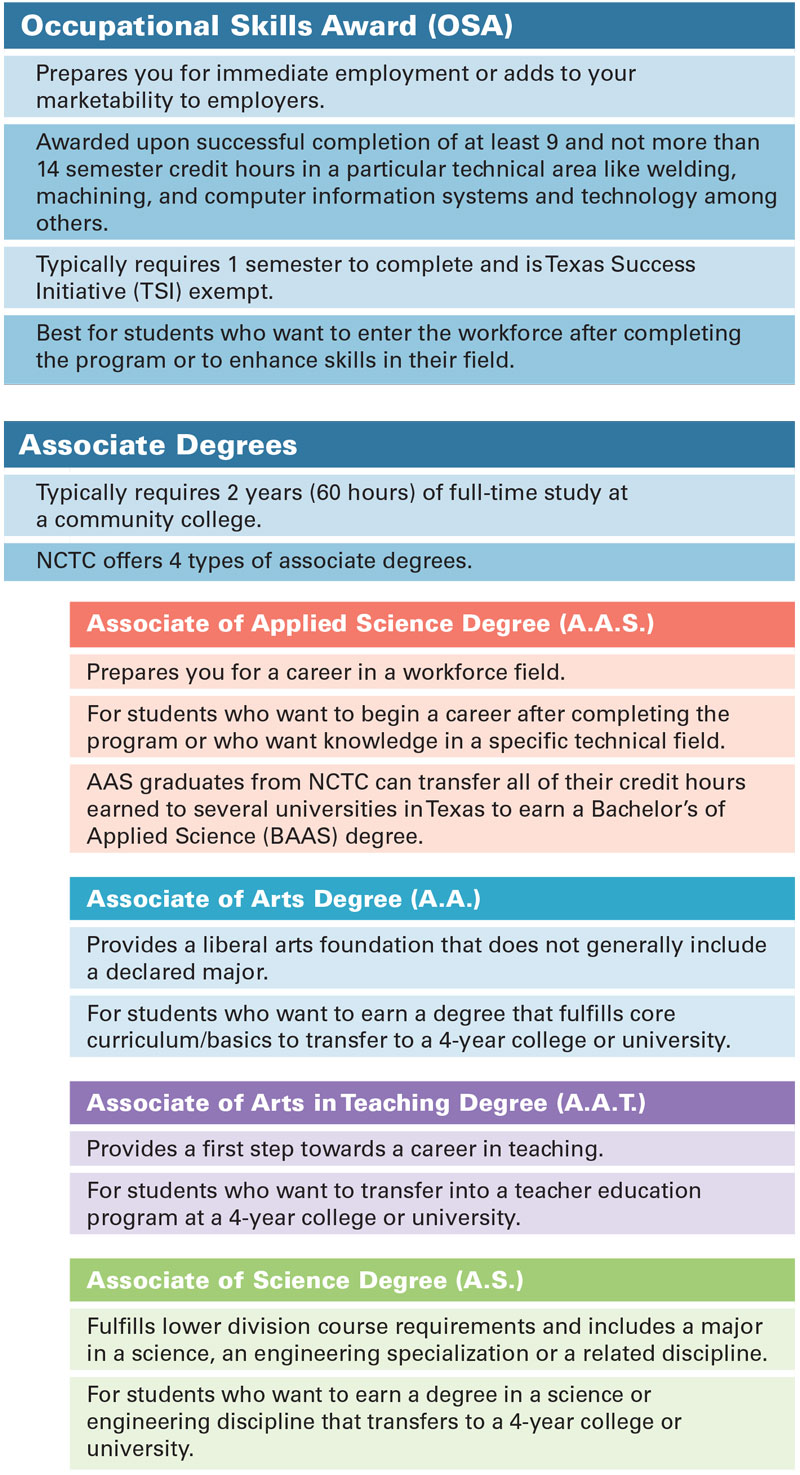
The “sophomore slump” is a well-documented phenomenon, characterized by a decline in motivation and a sense of disillusionment. Students may experience feelings of academic burnout, uncertainty about their chosen major, or a general lack of direction. This period often requires students to reassess their goals and develop strategies for maintaining academic engagement.
The “Sophomore Surge”: Building Momentum
However, the sophomore year can also be a time of significant growth and development. The “sophomore surge” refers to the period where students begin to solidify their academic interests, engage in more advanced coursework, and take on leadership roles in extracurricular activities. This period allows students to build upon their foundational knowledge and develop a stronger sense of purpose.
Evolving Terminology: Beyond “Sophomore”
While “sophomore” remains widely used, some institutions are exploring alternative terms to address the potentially negative connotations associated with the “slump.” The term “second year” is a common alternative, offering a neutral and straightforward descriptor. Additionally, some institutions may use terms like “intermediate student” to reflect the transitional nature of this stage.
The junior year, traditionally the third year of undergraduate studies, marks a significant turning point in the university experience. Students are expected to have a solid understanding of their chosen field and are often preparing for internships, research opportunities, or graduate school applications.
Specialization and Focus
The junior year is characterized by increased specialization and focus. Students typically enroll in more advanced courses within their major and begin to develop a deeper understanding of their chosen field. This period is crucial for building the skills and knowledge necessary for future academic or professional pursuits.
Preparation for the Future
Many students utilize the junior year to prepare for life after graduation. This may involve networking with professionals in their field, attending career fairs, or applying for internships or research positions. The junior year is also a time for students to consider their options for graduate school or professional programs.
The “Third Year”: A Simple Alternative
While “junior” remains the standard term, “third year” is a common alternative, particularly in institutions that prioritize chronological order. This term provides a clear and unambiguous descriptor, avoiding any potential ambiguity associated with “junior.”
The senior year, the final year of undergraduate studies, is a period of culmination and transition. Students are expected to complete their remaining coursework, prepare for graduation, and make plans for their future.
Capstone Projects and Senior Thesis
Many students are required to complete a capstone project or senior thesis during their final year. These projects provide an opportunity to demonstrate their mastery of their chosen field and apply their knowledge to real-world problems.
Graduation and Beyond
The senior year culminates in graduation, a momentous occasion that marks the completion of undergraduate studies. Students then embark on diverse paths, pursuing careers, graduate studies, or other opportunities.
“Fourth Year” and Beyond: Variations and Considerations
“Fourth year” is a common alternative to “senior,” particularly in institutions that emphasize chronological order. Additionally, some institutions may use terms like “graduating student” or “final-year student.” In institutions where degrees take more than four years, such as some engineering programs, the language used to describe these later years may vary significantly.
The terminology used to describe graduate studies and professional programs is even more diverse and complex. Master’s programs, doctoral programs, and professional programs each have their own unique naming conventions.
Master’s Programs: Diverse Titles
Master’s programs may be designated as Master of Arts (MA), Master of Science (MS), Master of Business Administration (MBA), or other specialized titles. The specific title depends on the field of study and the program’s focus.
Doctoral Programs: The Pursuit of Expertise
Doctoral programs, culminating in a Doctor of Philosophy (PhD) or other doctoral degree, represent the highest level of academic achievement. Students in doctoral programs engage in original research and contribute to the advancement of knowledge in their chosen field.
Professional Programs: Specialized Training
Professional programs, such as law school, medical school, and business school, provide specialized training for specific professions. These programs often have their own unique naming conventions and structures.
The language used to describe university years is constantly evolving, reflecting societal changes, pedagogical innovations, and a growing emphasis on inclusivity. As universities strive to create welcoming and supportive environments for all students, the terminology used to define the stages of academic life will continue to adapt and evolve.
The shift from “freshman” to “first year,” the emergence of alternative terms for “sophomore,” and the increasing use of chronological descriptors like “third year” and “fourth year” all reflect a broader trend towards inclusivity and clarity. As universities continue to grapple with issues of diversity and equity, the language used to describe the university experience will undoubtedly continue to evolve, ensuring that all students feel represented and empowered on their academic journey.
university years names