
The Enduring Majesty of Cambridge: A Tapestry of Tradition and Innovation
The university of Cambridge, a name synonymous with academic excellence and intellectual rigor, stands as a beacon of learning, its history woven into the very fabric of British society and global scholarship. For centuries, it has nurtured minds that have shaped the world, from the scientific breakthroughs of Newton and Darwin to the literary brilliance of Milton and Wordsworth. This institution, nestled in the heart of the eponymous city, is more than just a collection of buildings; it’s a living testament to the pursuit of knowledge, a crucible where tradition and innovation intertwine.
The roots of Cambridge stretch deep into the medieval era, with its origins tracing back to the early 13th century. Legend has it that scholars fleeing Oxford, following disputes with townspeople, sought refuge in the quiet market town of Cambridge, establishing the nascent foundations of the university. While the exact timeline remains shrouded in historical ambiguity, the first colleges, Peterhouse and Clare, were established in the 13th and 14th centuries, respectively, laying the groundwork for the collegiate system that defines Cambridge to this day.
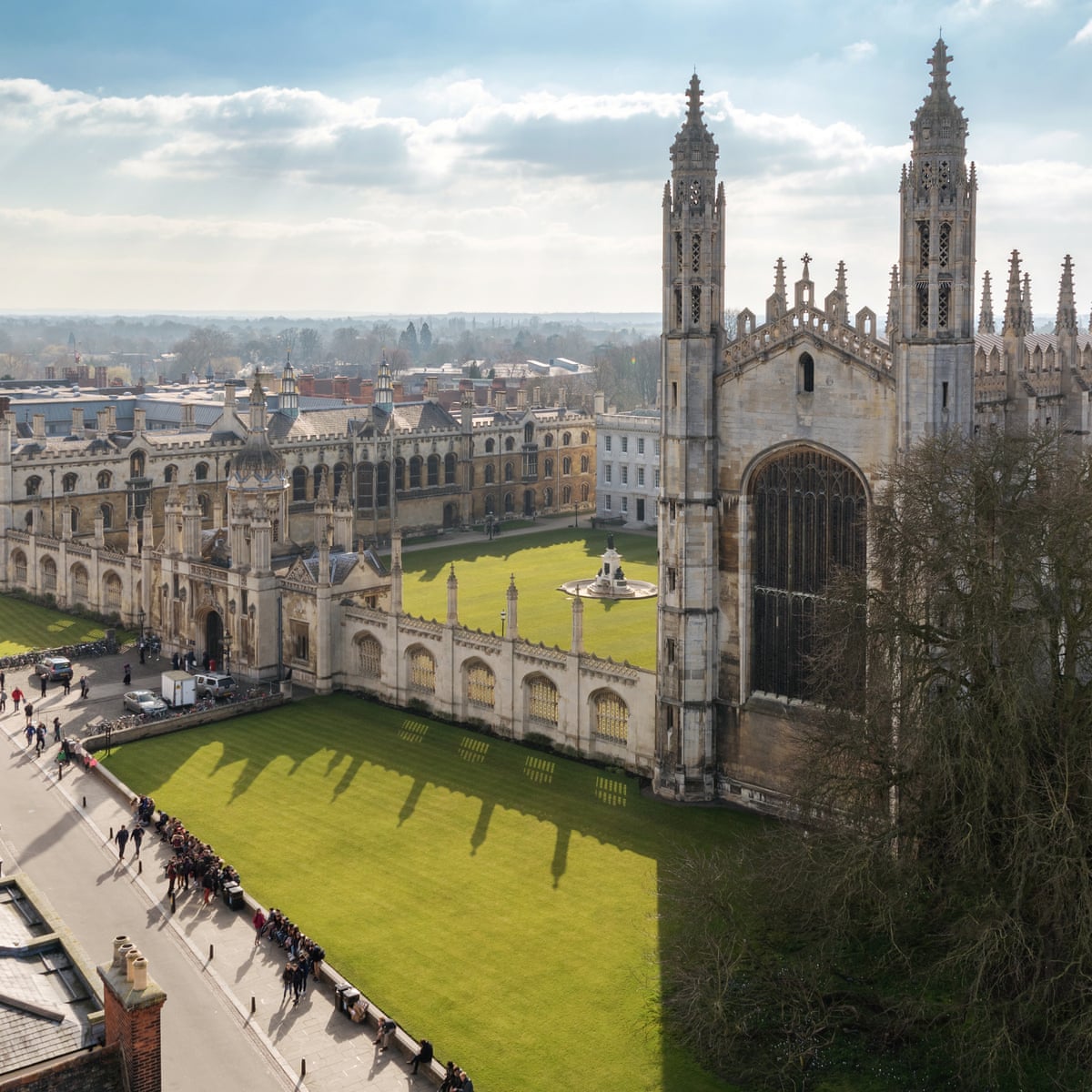
One of the defining features of Cambridge is its collegiate system, a structure that distinguishes it from many other universities worldwide. Rather than a single, monolithic entity, Cambridge is composed of 31 independent colleges, each with its own distinct character, history, and traditions. These colleges act as residential and academic communities, fostering a close-knit environment for students and fellows.
The Role of Colleges in Student Life
Residential Hubs: Colleges provide accommodation, dining facilities, and common rooms, creating a sense of belonging and community.
Notable Colleges: A Glimpse into Diversity
King’s College: Renowned for its magnificent chapel, a masterpiece of Gothic architecture, King’s College is a symbol of Cambridge’s grandeur.
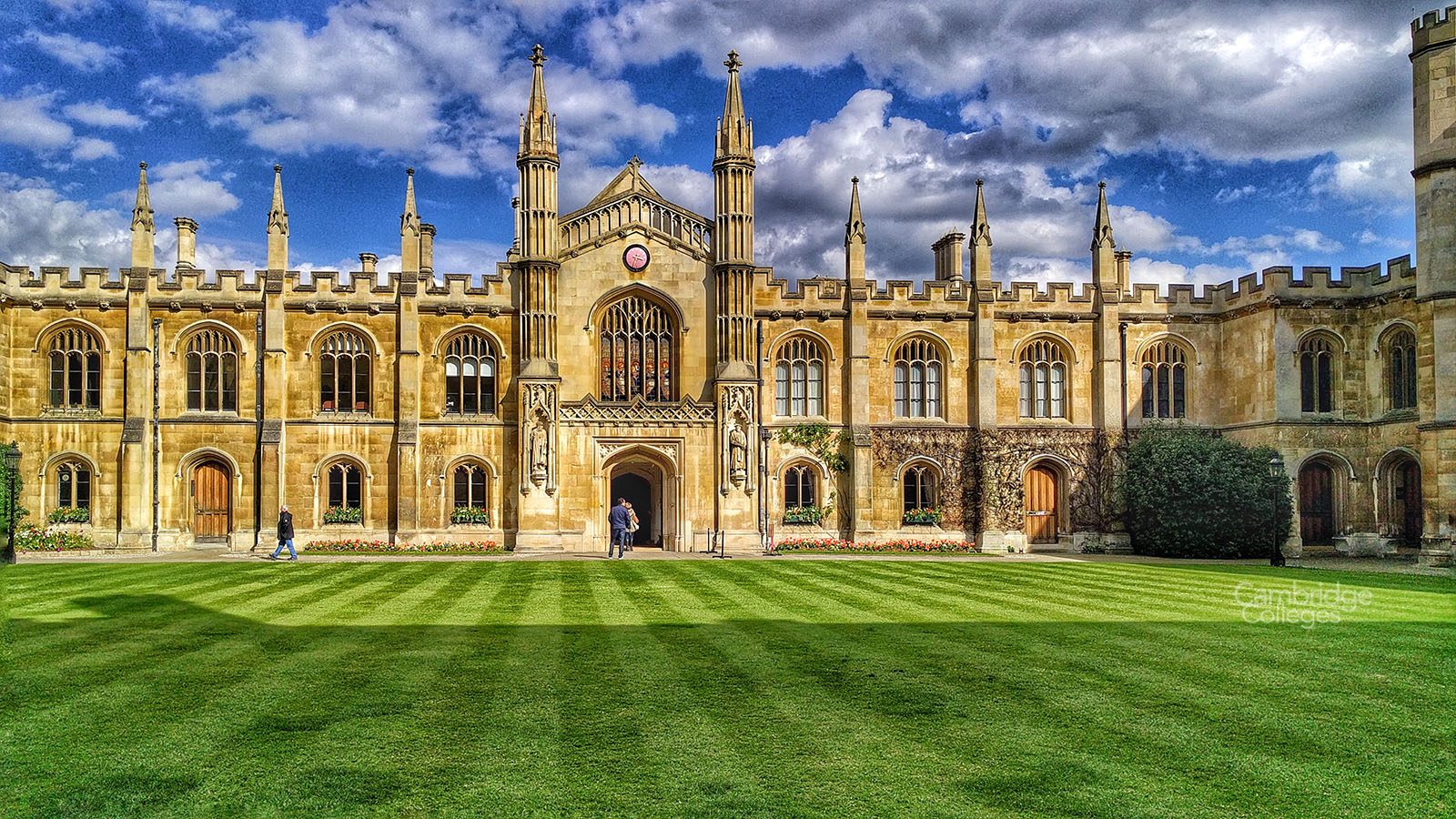
Cambridge’s reputation as a world-leading university rests on its unwavering commitment to academic excellence. The university boasts a vast array of faculties and departments, covering a wide spectrum of disciplines, from the humanities and social sciences to the natural sciences and engineering.
The Sciences: A Cradle of Discovery
Physics: Cambridge has been a hub of groundbreaking physics research, with figures like Isaac Newton, James Clerk Maxwell, and Ernest Rutherford shaping our understanding of the universe.
The Humanities and Social Sciences: Shaping Thought and Society
Literature: Cambridge has produced a constellation of literary giants, from Edmund Spenser and John Milton to Lord Byron and Virginia Woolf.
The university and the city of Cambridge are inextricably linked, forming a symbiotic relationship that has evolved over centuries. The university’s presence has shaped the city’s character, transforming it from a market town into a vibrant intellectual hub.
Architectural Splendor: A Visual Symphony
The Backs: The picturesque stretch of land along the River Cam, known as the Backs, offers stunning views of the college buildings and gardens.
A Hub of Innovation and Technology
Cambridge Science Park: A cluster of high-tech companies and research institutions, the Science Park is a testament to Cambridge’s entrepreneurial spirit.
The University of Cambridge continues to be a driving force in global education and research, attracting the brightest minds from around the world. Its commitment to academic excellence, its unique collegiate system, and its rich history have cemented its place as one of the world’s leading universities.
A Global Perspective
International Students: Cambridge welcomes students from all corners of the globe, fostering a diverse and cosmopolitan learning environment.
Looking Ahead: Embracing Change
Interdisciplinary Research: Cambridge is increasingly focused on interdisciplinary research, addressing complex challenges that require expertise from multiple fields.
The University of Cambridge, with its enduring legacy and its unwavering commitment to innovation, stands as a testament to the power of knowledge. As it continues to evolve and adapt to the challenges of the 21st century, Cambridge will undoubtedly continue to shape the world for generations to come.
the university of cambridge