
The university of Phoenix: A Landscape of Access, Innovation, and Controversy
The University of Phoenix (UoPX), a name synonymous with online education, has carved a unique and often debated niche in the American higher education landscape. From its humble beginnings as a continuing education program to its status as a for-profit behemoth, UoPX has consistently challenged traditional models, offering accessible pathways to degrees for non-traditional students. However, this accessibility has come under scrutiny, raising questions about quality, accountability, and the very nature of higher education in the 21st century.
Early Years and the Focus on Working Adults
The University of Phoenix was founded in 1976 by John Sperling, a former professor who recognized the growing need for flexible educational opportunities for working adults. Unlike traditional universities geared towards full-time students fresh out of high school, UoPX targeted individuals with professional experience and family responsibilities. This focus on accessibility was revolutionary at the time.
The Rise of Online Learning

The advent of the internet in the 1990s provided a fertile ground for UoPX to expand its reach. By embracing online learning, the university broke down geographical barriers and offered unprecedented flexibility. Students could now pursue degrees from the comfort of their homes, fitting their studies around work and family obligations. This innovation fueled rapid growth, making UoPX a dominant player in the burgeoning online education market.
The For-Profit Model and Rapid Expansion
UoPX’s for-profit model allowed it to invest heavily in marketing and infrastructure, further accelerating its expansion. The university’s aggressive advertising campaigns and enrollment tactics attracted a diverse student body, including many from underserved communities. This focus on growth, however, also drew criticism, with some questioning the emphasis on profit over educational quality.
Flexible Scheduling and Accelerated Programs
UoPX’s commitment to flexibility extended beyond online learning. The university offered accelerated programs and flexible scheduling options, allowing students to complete their degrees at their own pace. This approach catered to the needs of busy professionals who couldn’t commit to traditional semester-based programs.
Emphasis on Practical Skills and Career Relevance
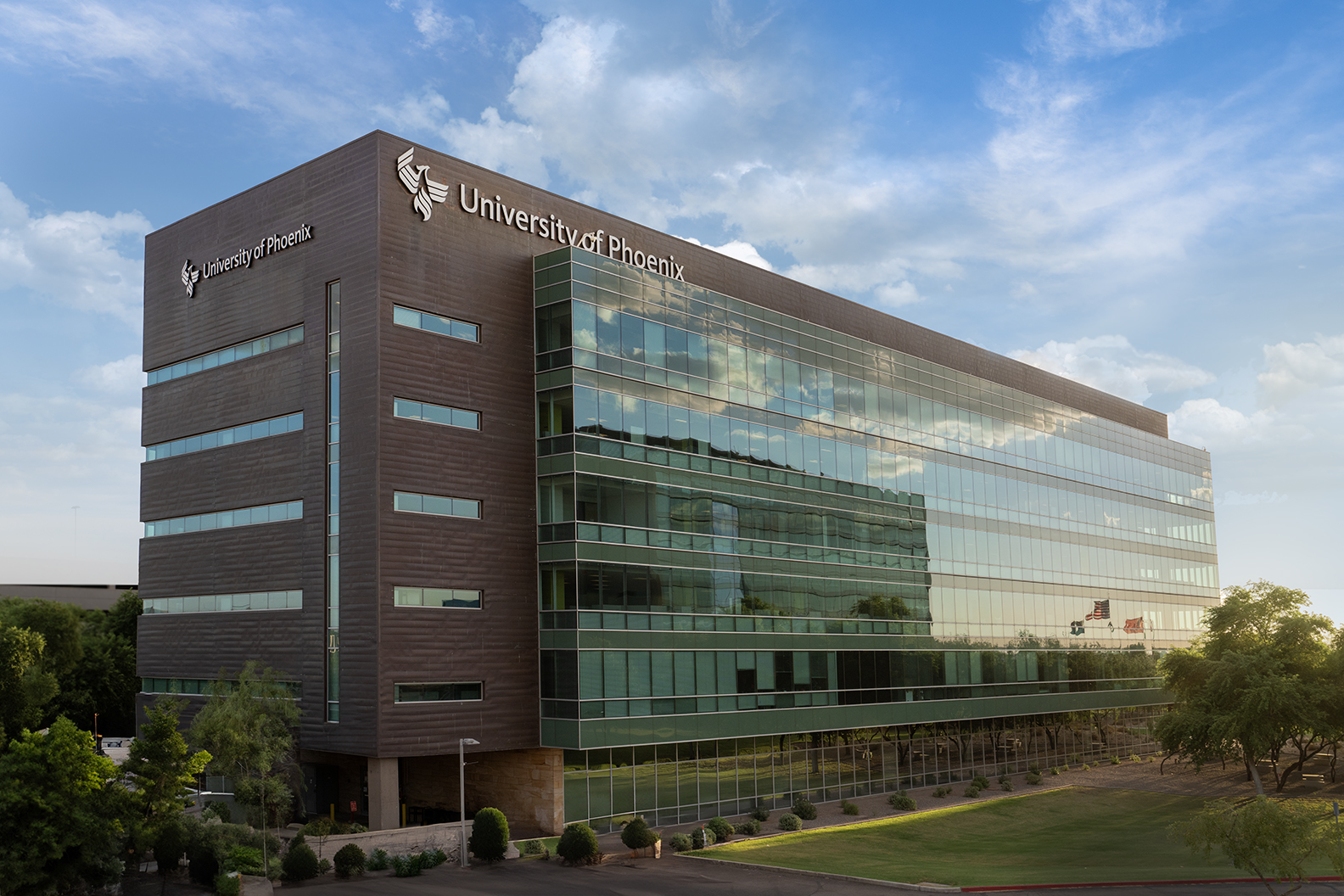
UoPX’s curriculum was designed to be practical and career-relevant, focusing on skills that employers sought. This emphasis on applied learning resonated with students who were looking to advance their careers or transition into new fields.
Technology-Driven Learning Platforms
UoPX invested heavily in technology, developing sophisticated online learning platforms that provided students with access to course materials, interactive tools, and virtual classrooms. This technology-driven approach enhanced the online learning experience and facilitated communication between students and instructors.
Accusations of Aggressive Recruiting and Misleading Marketing
UoPX faced numerous accusations of aggressive recruiting tactics and misleading marketing practices. Critics alleged that the university targeted vulnerable populations, such as veterans and low-income individuals, and exaggerated the value of its degrees.
Concerns about Student Loan Debt and Default Rates

The high cost of tuition at UoPX, coupled with concerns about the value of its degrees, led to high student loan debt and default rates. Critics argued that the university prioritized enrollment over student success, leaving many graduates burdened with debt and struggling to find employment.
Questions about Educational Quality and Accreditation
UoPX’s accreditation status and the quality of its academic programs were also subject to scrutiny. Some critics questioned the rigor of its curriculum and the qualifications of its faculty.
Legal Challenges and Regulatory Scrutiny
UoPX faced numerous legal challenges and regulatory investigations, including inquiries by the Department of Education and the Federal Trade Commission. These investigations focused on allegations of fraud, misrepresentation, and deceptive practices.
The Impact on Public Perception
The controversies surrounding UoPX significantly impacted its public perception. The university’s reputation suffered, and its enrollment numbers declined. This decline prompted UoPX to restructure and implement reforms aimed at addressing the concerns raised by critics.
Restructuring and Reforms
In response to the challenges it faced, UoPX underwent a significant restructuring, including changes in its leadership, enrollment practices, and academic programs. The university also invested in initiatives aimed at improving student outcomes and enhancing its reputation.
Focus on Student Success and Outcomes
UoPX has increasingly emphasized student success and outcomes, implementing programs and initiatives designed to support students throughout their academic journey and beyond. This focus includes providing career services, academic advising, and financial aid counseling.
Adaptation to the Changing Higher Education Landscape
The higher education landscape is constantly evolving, with increasing competition from online providers and a growing emphasis on alternative credentials. UoPX is adapting to these changes by exploring new partnerships, expanding its program offerings, and embracing innovative learning technologies.
The Ongoing Debate about For-Profit Education
The debate about the role and value of for-profit education continues. Critics argue that for-profit institutions prioritize profit over student success, while proponents maintain that they provide valuable educational opportunities for underserved populations.
The Legacy of Accessibility and Innovation
Despite the controversies, UoPX’s legacy of accessibility and innovation cannot be denied. The university played a significant role in democratizing access to higher education and pioneering online learning. Its impact on the higher education landscape is undeniable, even as the debate about its methods and outcomes continues.
The Future of UoPX and the For-Profit Model
The future of UoPX and the for-profit model remains uncertain. The university faces ongoing challenges, including regulatory scrutiny, competition from other online providers, and the need to restore its reputation. However, its commitment to innovation and its focus on student success may provide a path forward.
Balancing Access and Accountability
The challenge for UoPX, and for the for-profit education sector as a whole, is to balance access with accountability. Ensuring that students receive a quality education and are not burdened with excessive debt is crucial for the long-term sustainability of the for-profit model.
The Importance of Transparency and Ethical Practices
Transparency and ethical practices are essential for building trust and maintaining public confidence in for-profit institutions. UoPX’s experience highlights the importance of responsible marketing, fair enrollment practices, and a commitment to student success.
The Role of Regulation and Oversight
Effective regulation and oversight are necessary to ensure that for-profit institutions operate in the best interests of students and taxpayers. This includes monitoring student outcomes, enforcing accreditation standards, and preventing deceptive practices.
The Evolving Needs of the Modern Student
The needs of the modern student are constantly evolving. Universities, including for-profit institutions, must adapt to these changes by offering flexible, affordable, and career-relevant programs.
The Continuing Dialogue about Higher Education
The debate about the role and value of higher education, including for-profit education, is essential for shaping the future of learning. This dialogue must consider the needs of diverse student populations, the changing demands of the workforce, and the importance of ensuring access to quality education for all.
The University of Phoenix’s journey is a complex narrative of innovation, accessibility, and controversy. Its story serves as a cautionary tale about the challenges of balancing profit and purpose in the realm of higher education. As the landscape continues to evolve, the lessons learned from UoPX’s experience will undoubtedly shape the future of online and for-profit education.
the university of phoenix