
The Ascendant Spine: A Deep Dive into university Towers
University towers, those vertical citadels of student life, stand as architectural and social landmarks across the globe. They are more than just dormitories; they are complex ecosystems, reflecting the evolving needs of higher education, the shifting aesthetics of architectural design, and the enduring human desire for community. This exploration delves into the multifaceted world of university towers, examining their history, design, social impact, and future trajectory.
The concept of high-rise student housing emerged in the mid-20th century, driven by a confluence of factors. Post-World War II, universities experienced a surge in enrollment, necessitating denser housing solutions. Simultaneously, the rise of modernist architecture, with its emphasis on verticality and efficiency, provided a stylistic framework for these new structures.

The Early Pioneers: Post-War Expansion
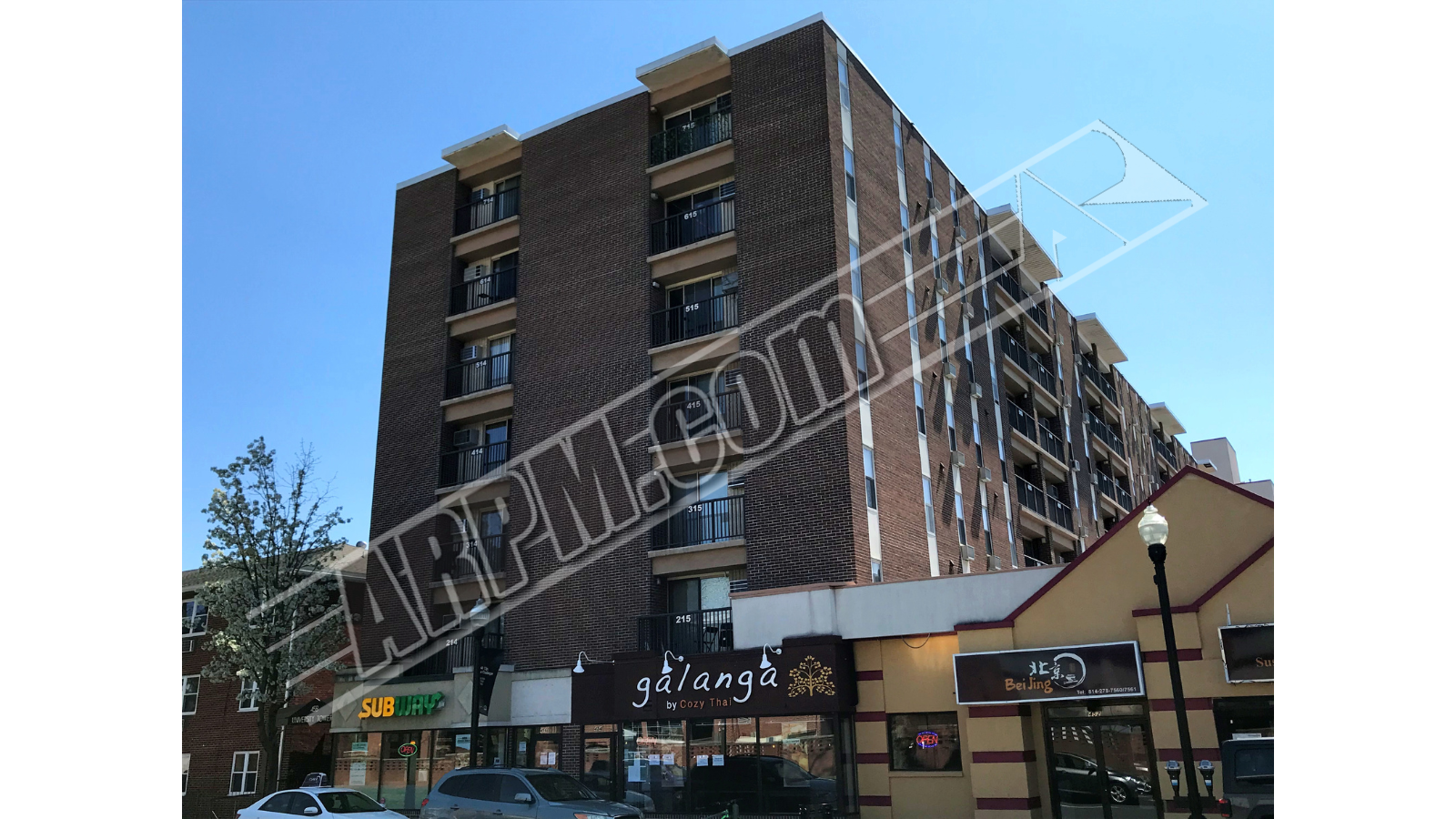
The early university towers, often built in the 1960s and 70s, were characterized by their utilitarian design. Functionality reigned supreme, with simple concrete facades and repetitive floor plans. These towers were built to accommodate large numbers of students quickly, with little emphasis on aesthetics or social interaction. Examples from this era, while sometimes criticized for their starkness, remain a testament to the rapid expansion of higher education during this period.
The Shift Towards Social Spaces: 1980s and Beyond
As social consciousness evolved, so did the design of university towers. Architects began to prioritize the creation of communal spaces, recognizing the importance of fostering a sense of belonging among residents. Common rooms, study lounges, and recreational areas became integral components of tower design. The emphasis shifted from simply providing shelter to creating environments that facilitated social interaction and academic collaboration.
The Contemporary Tower: Integration and Innovation
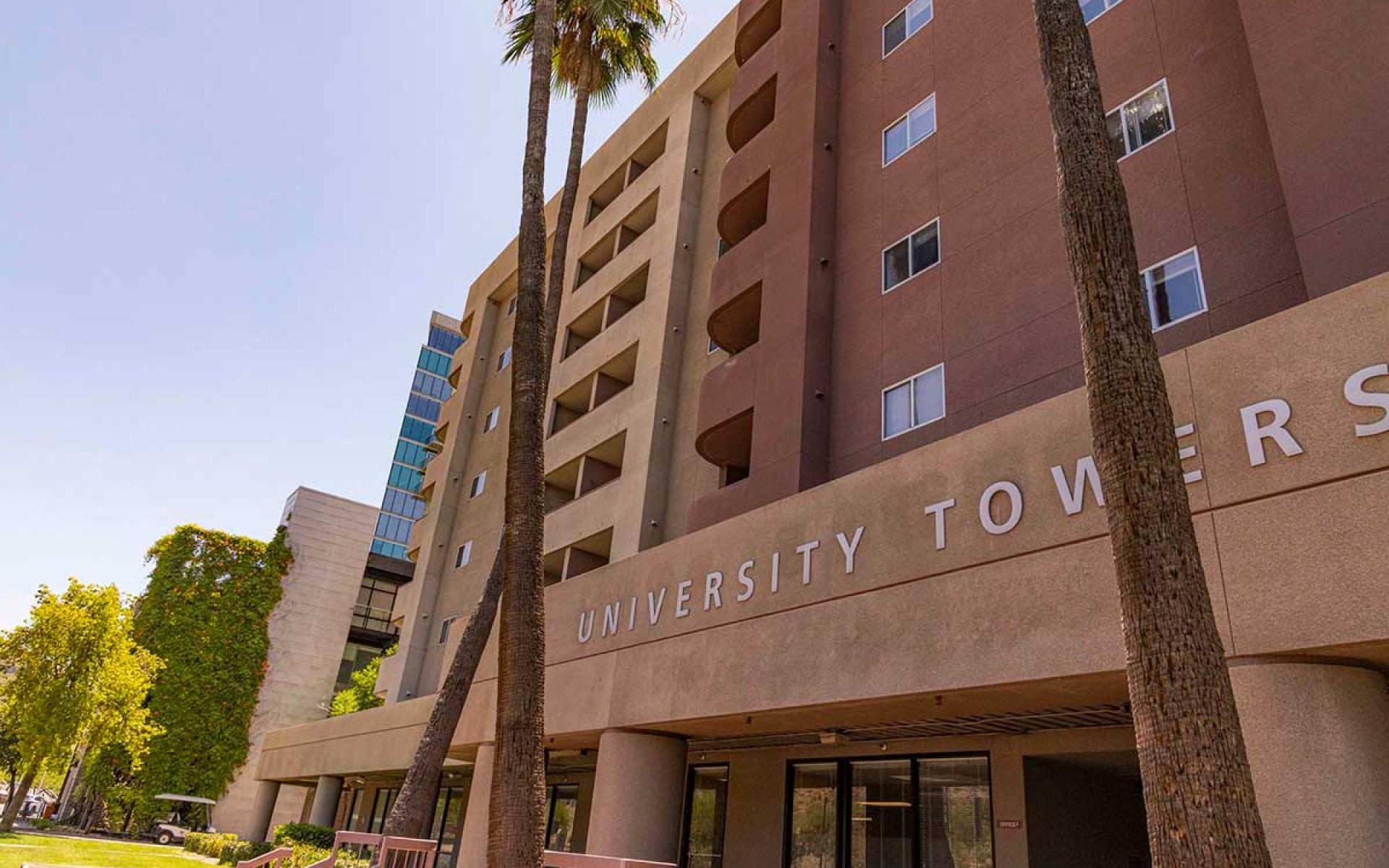
Today, university towers are increasingly integrated into the broader campus landscape. They are no longer isolated structures but are designed to connect with existing buildings and green spaces. Sustainable design principles are also gaining traction, with features like green roofs, rainwater harvesting systems, and energy-efficient building materials becoming more common. The integration of technology is another defining characteristic, with high-speed internet, smart building systems, and digital access controls becoming standard features.
The design of a university tower is a complex undertaking, requiring careful consideration of various factors, including site constraints, student demographics, and budgetary limitations.
Height and Density: Balancing Capacity and Comfort
The height of a university tower is a critical factor, directly impacting its capacity. However, taller towers also present challenges in terms of elevator capacity, fire safety, and wind resistance. Architects must carefully balance the need for density with the comfort and well-being of residents.
Floor Plans and Unit Design: Fostering Community and Privacy
The layout of individual units and common areas plays a significant role in shaping the social dynamics of a university tower. Traditional dormitory-style layouts, with shared bathrooms and limited privacy, are gradually being replaced by more modern designs that offer a balance between communal living and individual space. The inclusion of kitchenettes, study nooks, and private bathrooms is becoming increasingly common.
Common Spaces: The Heart of the Tower
Common spaces serve as the social hubs of university towers, providing opportunities for interaction and collaboration. These spaces can range from small study lounges on each floor to large multi-purpose rooms on the ground level. The design of these spaces should be flexible and adaptable, accommodating a variety of activities and events.
Sustainability and Accessibility: Building for the Future
Sustainability and accessibility are increasingly important considerations in the design of university towers. Architects are incorporating features like natural ventilation, daylighting, and renewable energy systems to reduce the environmental impact of these buildings. Accessibility is also a key concern, with features like ramps, elevators, and accessible bathrooms ensuring that all residents can fully participate in tower life.
University towers are not just physical structures; they are vibrant social ecosystems, where students from diverse backgrounds come together to live, learn, and grow.
Community Building: Fostering a Sense of Belonging
Building a strong sense of community is essential for the success of a university tower. Resident advisors, student organizations, and university staff play a crucial role in organizing social events, facilitating communication, and providing support to residents.
Diversity and Inclusion: Creating a Welcoming Environment
University towers are often home to students from a wide range of cultural and socioeconomic backgrounds. Creating a welcoming and inclusive environment requires a commitment to diversity and equity. This includes providing resources and support for students from underrepresented groups and promoting intercultural understanding.
Mental Health and Well-being: Supporting Student Success
The transition to university life can be challenging for many students. University towers can play a role in supporting student mental health and well-being by providing access to counseling services, promoting healthy lifestyles, and creating a supportive and inclusive environment.
The Impact on Academic Performance: Study Spaces and Collaboration
The design of university towers can significantly impact academic performance. Dedicated study spaces, quiet areas, and collaborative workrooms can provide students with the resources they need to succeed. The proximity to other students also fosters a sense of academic community and provides opportunities for peer learning.
While university towers offer numerous benefits, they also present a unique set of challenges.
Maintenance and Management: Ensuring Long-Term Sustainability
Maintaining and managing a large, high-rise building requires significant resources and expertise. Issues like elevator maintenance, plumbing repairs, and waste management can be particularly challenging in university towers.
Safety and Security: Protecting Residents and Property
Ensuring the safety and security of residents is a top priority for university administrators. Security measures like access control systems, surveillance cameras, and resident advisors are essential for creating a safe and secure living environment.
Cost and Affordability: Balancing Quality and Accessibility
The cost of building and maintaining university towers can be significant. Universities must balance the need to provide high-quality housing with the need to keep costs affordable for students.
The Future of University Towers: Adapting to Evolving Needs
The future of university towers will be shaped by evolving student needs, technological advancements, and changing societal priorities.
Flexible and Adaptable Spaces: Meeting Diverse Needs
Future university towers will need to be flexible and adaptable, accommodating a wide range of student needs and preferences. This may include the creation of multi-purpose spaces that can be easily reconfigured for different activities.
Technological Integration: Enhancing the Student Experience
Technology will continue to play a significant role in the design and operation of university towers. Smart building systems, digital access controls, and high-speed internet will become even more prevalent.
Sustainable Design: Minimizing Environmental Impact
Sustainable design principles will become increasingly important as universities strive to reduce their environmental footprint. This may include the use of renewable energy sources, green building materials, and water conservation measures.
The Rise of Co-Living Models: Fostering Community and Collaboration
Co-living models, which emphasize shared spaces and community building, may become more prevalent in university towers. These models can provide students with a sense of belonging and support, particularly in large and impersonal institutions.
University towers are more than just buildings; they are dynamic and evolving spaces that reflect the changing landscape of higher education. As universities continue to grow and adapt, these vertical communities will play a vital role in shaping the student experience.
university towers