
Unveiling the Invisible: The Indispensable Role of X-ray Technology in Modern Universities
Universities, as epicenters of knowledge creation and dissemination, rely on a vast array of technologies to push the boundaries of research and education. Among these, X-ray technology stands as a cornerstone, offering invaluable insights across diverse disciplines. From the intricate structures of materials science to the delicate anatomy of biological specimens, X-rays illuminate the unseen, driving innovation and discovery.
Before delving into the myriad applications, it’s essential to grasp the fundamental principles of X-ray generation and interaction. X-rays, a form of electromagnetic radiation with high energy and short wavelengths, are produced when accelerated electrons collide with a target material. This interaction generates photons that penetrate materials, with the degree of penetration dependent on the material’s density and atomic composition.
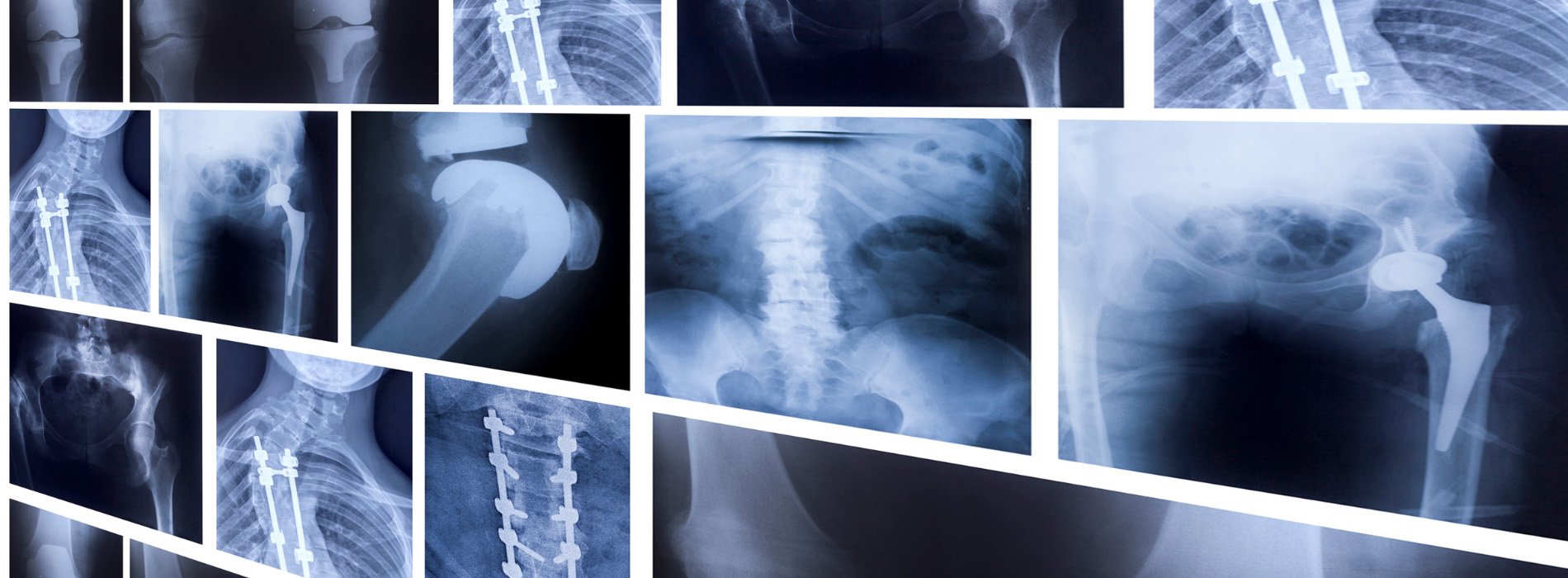
The resulting attenuation of the X-ray beam provides information about the internal structure of the object. This information can be captured using various detectors, ranging from photographic film to sophisticated digital sensors, forming the basis for imaging and analysis techniques.
X-ray Diffraction (XRD): Unraveling Crystal Structures
Perhaps the most prominent application of X-rays in materials science is X-ray Diffraction (XRD). This technique exploits the wave-like nature of X-rays to probe the crystalline structure of materials. When X-rays interact with a crystalline sample, they are diffracted by the regularly spaced atoms, creating a characteristic diffraction pattern. Analyzing this pattern allows researchers to determine:
Crystal Structure: The arrangement of atoms within the crystal lattice.
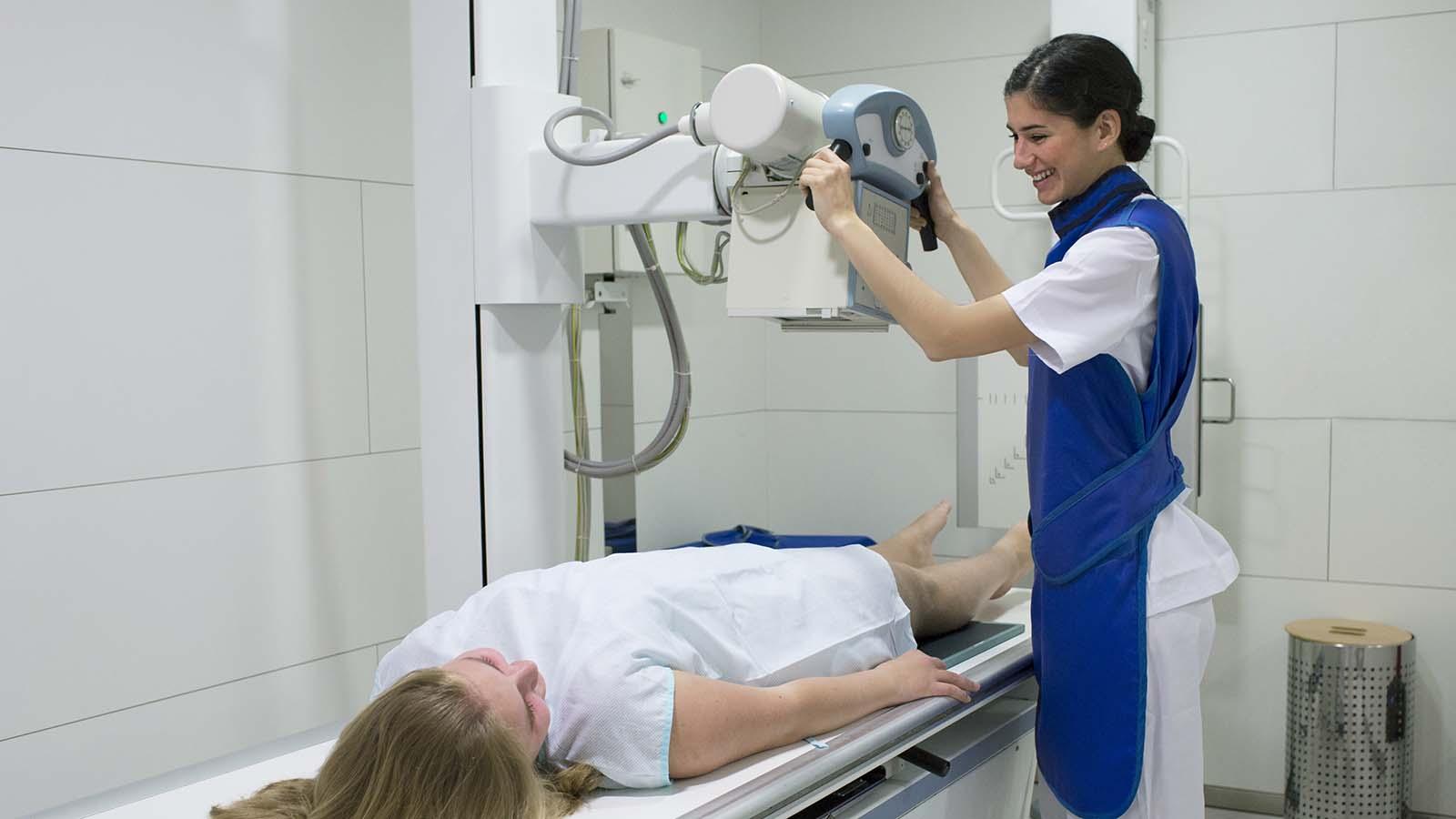
XRD is crucial for developing new materials with tailored properties, from advanced alloys for aerospace applications to novel semiconductors for electronic devices.
X-ray Fluorescence (XRF): Elemental Analysis
X-ray Fluorescence (XRF) is another powerful technique used in materials science for elemental analysis. When a material is irradiated with X-rays, its atoms can absorb the energy and subsequently emit characteristic X-rays. By analyzing the energies and intensities of these emitted X-rays, researchers can:
Determine the Elemental Composition: Identify and quantify the elements present in a sample.
XRF finds applications in various fields, including geochemistry, archaeology, and environmental science, where it is used to analyze the composition of rocks, artifacts, and pollutants.
X-ray Computed Tomography (CT): 3D Imaging
X-ray Computed Tomography (CT) provides three-dimensional images of the internal structure of materials. By rotating an X-ray source and detector around the sample, multiple projections are acquired, which are then reconstructed using sophisticated algorithms. CT enables researchers to:
Visualize Internal Defects: Identify cracks, voids, and other defects in materials.
CT is widely used in materials science, engineering, and manufacturing for quality control and failure analysis.
X-ray Crystallography: Unveiling Protein Structures
In biological sciences, X-ray crystallography is a cornerstone technique for determining the three-dimensional structures of proteins and other biomolecules. By crystallizing the molecule of interest and exposing it to X-rays, researchers can obtain a diffraction pattern that reveals the arrangement of atoms within the molecule. This information is crucial for:
Understanding Protein Function: Relating the structure of a protein to its biological activity.
X-ray crystallography has revolutionized our understanding of biological processes and has played a pivotal role in the development of new therapies.
Medical Imaging: Diagnosing and Treating Diseases
X-rays are indispensable in medical imaging, providing crucial diagnostic information for a wide range of diseases.
Radiography: Visualizing Bones and Organs
Conventional radiography, or X-ray imaging, is used to visualize bones, organs, and other internal structures. It is essential for:
Diagnosing Fractures and Dislocations: Identifying bone injuries.
Computed Tomography (CT): Advanced Medical Imaging
Medical CT, similar in principle to materials CT, provides detailed cross-sectional images of the body. It is used for:
Diagnosing Cancer: Identifying tumors and assessing their size and spread.
Radiation Therapy: Treating Cancer
High-energy X-rays, or radiation therapy, are used to kill cancer cells. By focusing the radiation beam on the tumor, healthy tissues can be spared. Radiation therapy is a common treatment for various types of cancer.
X-ray Fluorescence (XRF): Analyzing Rocks and Minerals
In geological and environmental sciences, XRF is used to analyze the elemental composition of rocks, minerals, and soils. This technique is crucial for:
Determining the Composition of Rocks and Minerals: Identifying and quantifying the elements present.
X-ray Diffraction (XRD): Identifying Minerals
XRD is used to identify the minerals present in rocks and soils. This technique is essential for:
Mineral Identification: Determining the crystalline phases present in a sample.
X-ray Radiography: Examining Artifacts
X-ray radiography is used to examine the internal structure of artifacts, providing insights into their construction, materials, and history. This technique is crucial for:
Identifying Hidden Features: Revealing details that are not visible to the naked eye.
X-ray Fluorescence (XRF): Analyzing Pigments and Materials
XRF is used to analyze the elemental composition of pigments, metals, and other materials used in art and archaeology. This technique is essential for:
Identifying Pigments: Determining the chemical composition of pigments used in paintings and other artworks.
The future of X-ray technology in universities is bright, with ongoing advancements in instrumentation, data analysis, and applications. New X-ray sources, such as free-electron lasers, are providing unprecedented brightness and resolution, enabling researchers to probe materials and biological systems at the atomic level. Advances in detector technology and computational power are enabling the acquisition and analysis of increasingly complex data sets.
Furthermore, the integration of X-ray techniques with other analytical methods, such as electron microscopy and spectroscopy, is providing a more comprehensive understanding of materials and biological systems.
Universities, as hubs of innovation, will continue to play a leading role in developing and applying X-ray technology to address critical challenges in science, medicine, and engineering. From developing new materials for sustainable energy to designing new drugs for treating diseases, X-rays will continue to illuminate the unseen, driving progress and discovery.
university xray